Category: Devices

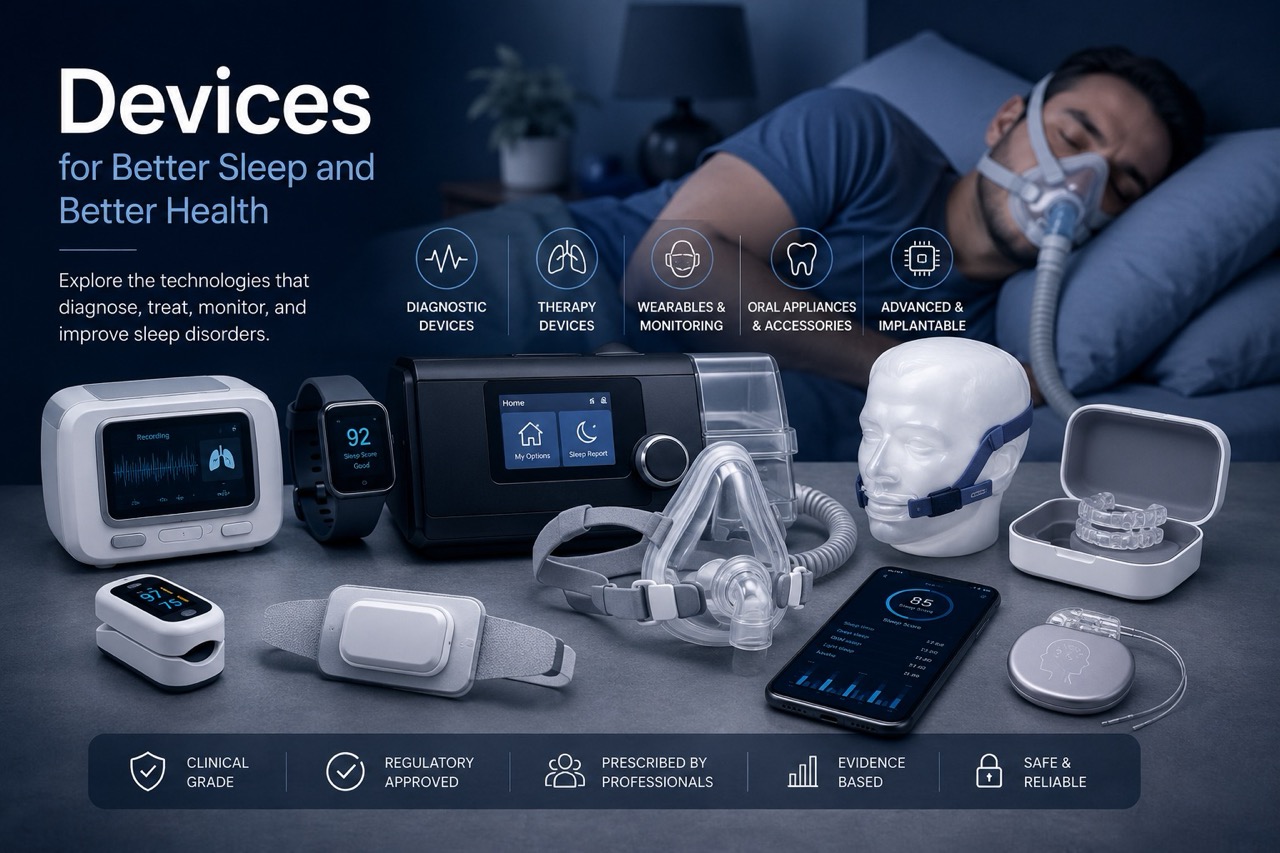
The Devices category provides comprehensive information about medical and consumer technologies used in the diagnosis, treatment, monitoring, and management of sleep-related breathing disorders and other sleep conditions. It includes diagnostic equipment such as sleep study systems and pulse oximeters, therapeutic devices including CPAP, APAP, BiPAP, and ASV machines, masks and accessories, oral appliances, positional therapy solutions, oxygen therapy equipment, implantable treatments, and sleep monitoring wearables. The category is designed to help patients, caregivers, healthcare professionals, and researchers understand available technologies, compare solutions, access educational resources, and make informed decisions regarding sleep health and therapy adherence.

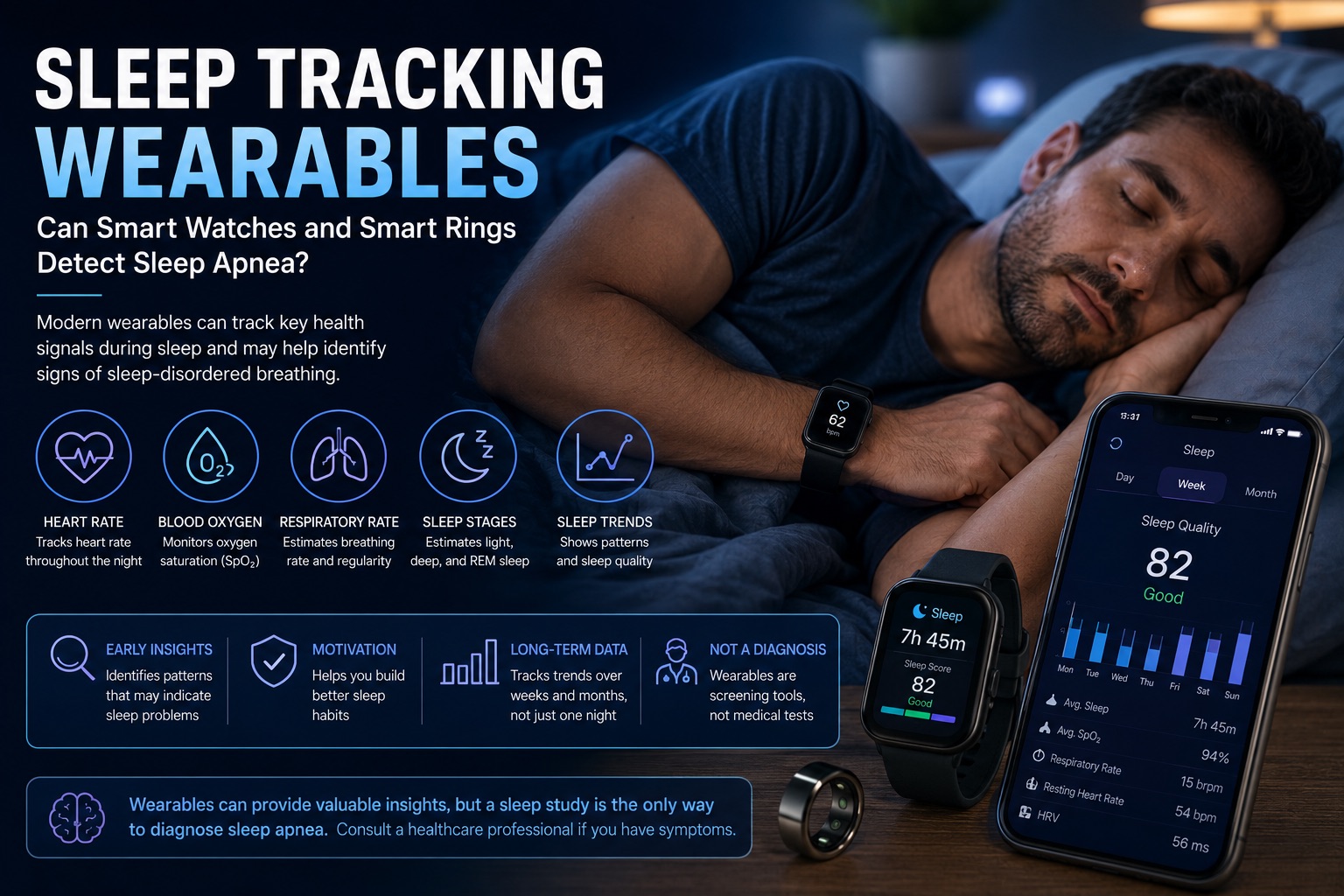
Sleep tracking wearables: can smart watches and smart rings detect sleep apnea?


Wearable technology has transformed the way people monitor their health. What began as simple step counters has evolved into sophisticated devices capable of tracking heart rate, blood oxygen levels, temperature changes, movement patterns, and even estimated sleep stages.

Today, millions of people use smart watches, smart rings, fitness bands, and other wearable devices to better understand their sleep. Many users discover unusual nighttime patterns through these devices and begin to wonder whether they might have sleep apnea or another sleep disorder.

(more…)
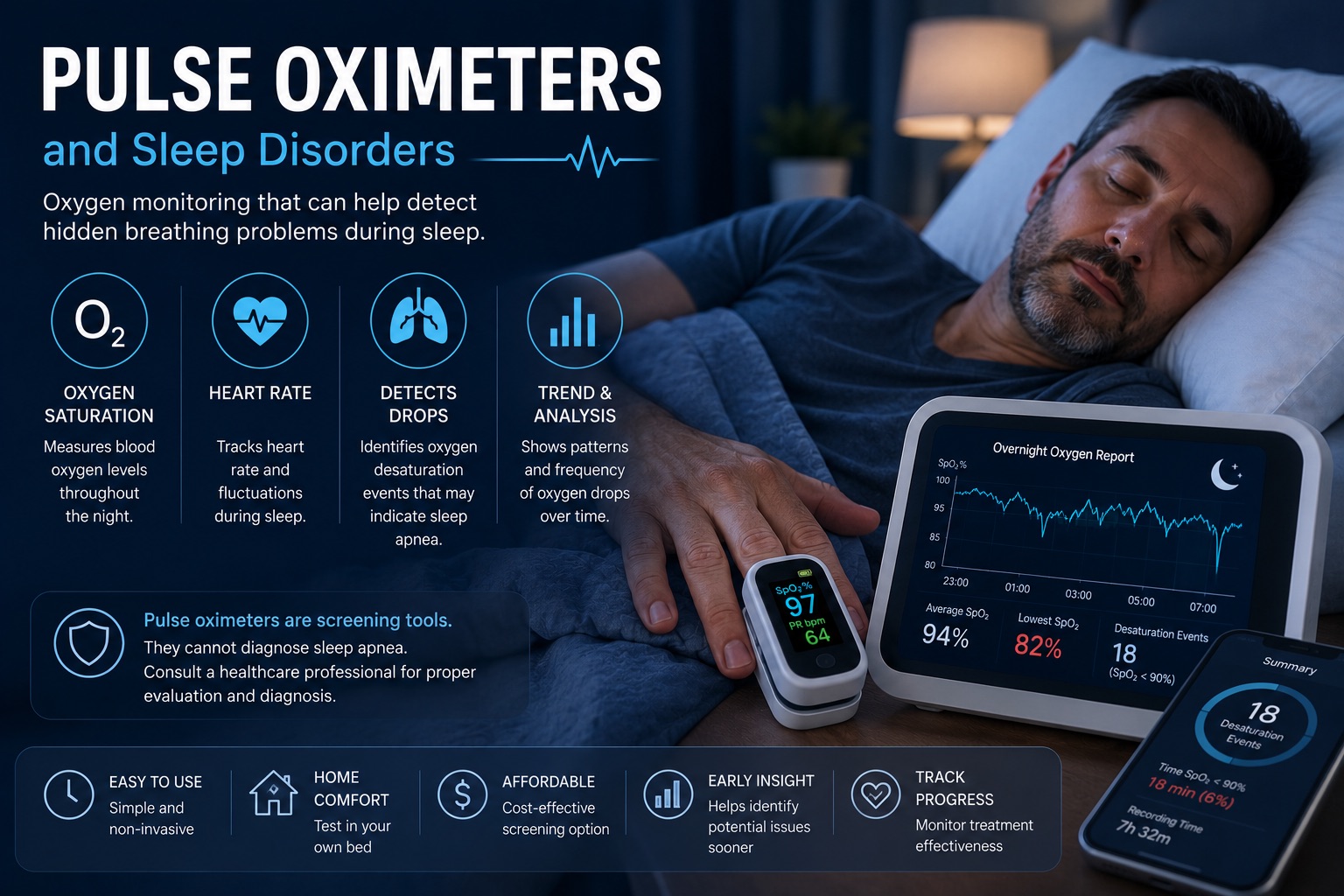
Pulse oximeters and sleep disorders: can oxygen monitoring detect sleep apnea?


Pulse oximeters are among the most widely used medical monitoring devices in the world. Small, affordable, and easy to use, they provide real-time measurements of blood oxygen saturation and heart rate. During the COVID-19 pandemic, these devices became common household tools, but their role in sleep medicine extends far beyond respiratory infections.

For individuals concerned about snoring, sleep apnea, or unexplained fatigue, pulse oximeters can provide valuable information about how oxygen levels behave during sleep. While they cannot diagnose sleep apnea on their own, they often play an important role in screening, monitoring, and treatment evaluation.

(more…)

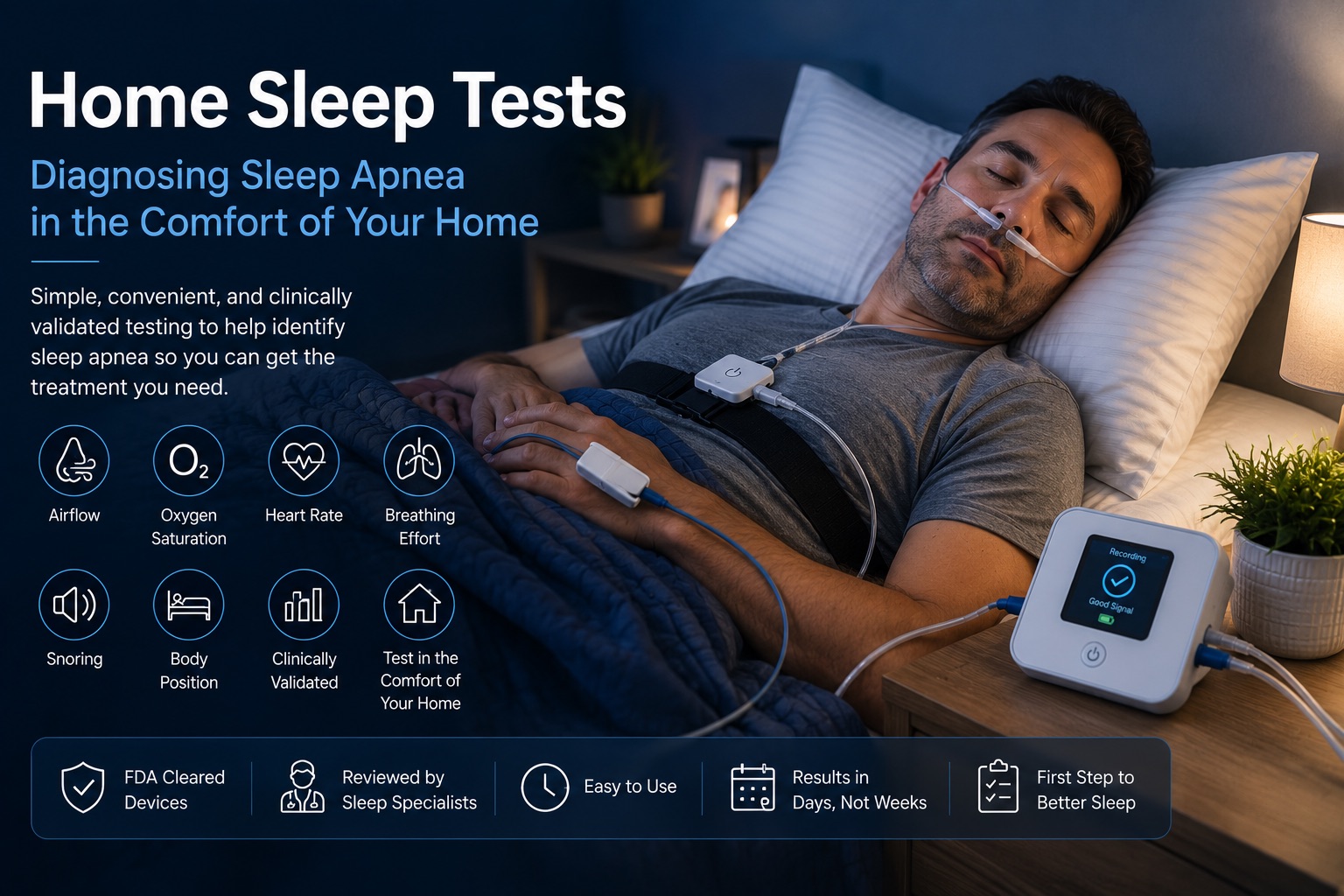
Home Sleep Tests (HST): diagnosing sleep apnea from the comfort of your home


For many people experiencing symptoms such as loud snoring, excessive daytime sleepiness, morning headaches, or witnessed breathing pauses during sleep, the first step toward diagnosis is often a Home Sleep Test (HST).

Home Sleep Tests have transformed sleep medicine by making sleep apnea screening more accessible, convenient, and affordable. Instead of spending a night in a sleep laboratory, patients can undergo testing in their own homes using portable monitoring equipment prescribed by a healthcare provider.

(more…)

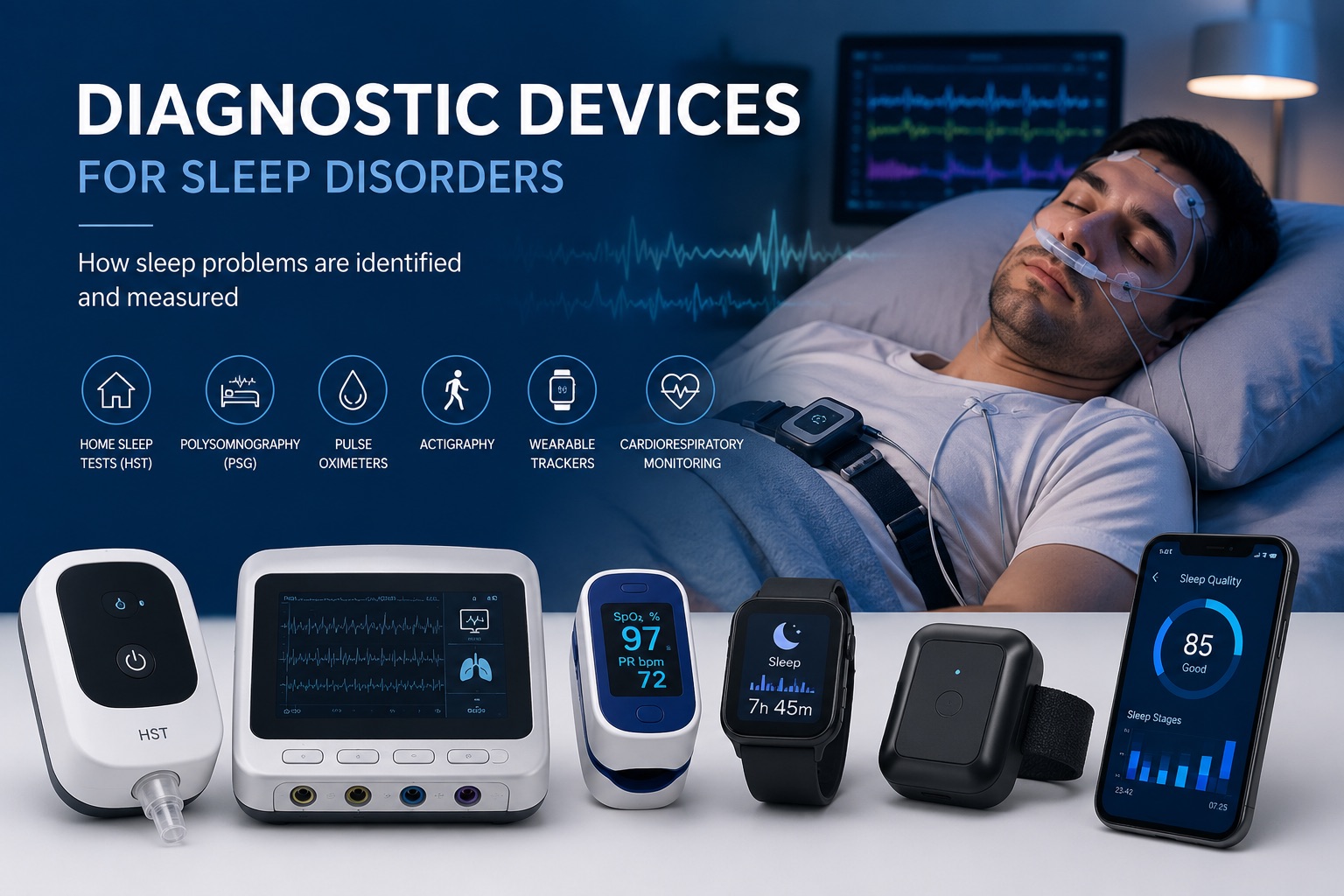
Diagnostic devices for sleep disorders: how sleep problems are identified and measured


Sleep disorders cannot usually be diagnosed based solely on symptoms. While snoring, daytime fatigue, morning headaches, poor concentration, and restless sleep may indicate an underlying condition, healthcare professionals often rely on specialized diagnostic devices to understand what happens while a person is asleep.

(more…)

Understanding sleep disorder devices: from lifestyle aids to advanced medical therapies


Sleep disorders affect millions of people worldwide and can significantly impact physical health, mental well-being, cognitive performance, and overall quality of life. Fortunately, a wide range of devices and technologies are available to help diagnose, monitor, and treat sleep-related conditions. These solutions range from simple consumer products to highly specialized medical devices prescribed and supervised by healthcare professionals.

(more…)