
Latest posts
- Understanding arousal index: the sleep metric that explains why you’re tired
 Many patients focus on a single number after a sleep study: the Apnea-Hypopnea Index (AHI). If the AHI is low, they assume their sleep must be normal.
 - Upper Airway Resistance Syndrome (UARS): when your sleep study looks normal but you still feel exhausted
 Many people undergo sleep testing because they experience persistent fatigue, daytime sleepiness, brain fog, poor concentration, or non-restorative sleep. Sometimes the results are surprising. Their sleep study may show: Yet they continue to feel profoundly tired.
 - Positional obstructive sleep apnea: why sleeping on your back can dramatically worsen breathing
 Not all obstructive sleep apnea behaves the same way throughout the night. While some patients experience breathing disturbances regardless of sleeping position, others demonstrate a striking pattern: respiratory events occur predominantly when sleeping on their back. This condition is known as positional obstructive sleep apnea (POSA).
 - REM-predominant obstructive sleep apnea: when breathing problems occur mainly during dream sleep
 Not all sleep apnea occurs evenly throughout the night. Many patients experience most of their respiratory events during rapid eye movement (REM) sleep, a stage commonly associated with vivid dreaming, emotional processing, and memory consolidation. In some individuals, breathing may be relatively stable during non-REM sleep yet deteriorate dramatically during REM sleep. This pattern is… Read more: REM-predominant obstructive sleep apnea: when breathing problems occur mainly during dream sleep
 - Flow limitation: the respiratory signal most patients never hear about
 Most patients diagnosed with sleep apnea eventually learn about terms such as AHI, oxygen saturation, and CPAP pressure settings. Yet one of the most important respiratory signals in modern sleep medicine often goes completely unmentioned: flow limitation. Flow limitation can occur long before a complete apnea develops. In many patients, it contributes significantly to sleep… Read more: Flow limitation: the respiratory signal most patients never hear about
 - Understanding respiratory disturbance index (RDI): when AHI doesn’t tell the whole story
 Most patients undergoing a sleep study become familiar with one number above all others: the Apnea-Hypopnea Index (AHI). AHI serves as the foundation of sleep apnea diagnosis and treatment decisions throughout much of the world. However, many sleep reports contain another metric that often receives far less attention: the Respiratory Disturbance Index (RDI). In some… Read more: Understanding respiratory disturbance index (RDI): when AHI doesn’t tell the whole story
 - Oxygen desaturation index (ODI) vs AHI: which metric better reflects sleep apnea severity?
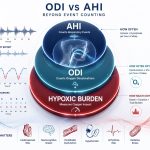 For most patients diagnosed with obstructive sleep apnea (OSA), the first number they encounter is the Apnea-Hypopnea Index (AHI). AHI has served as the cornerstone of sleep apnea diagnosis for decades and remains the primary metric used to classify disease severity. However, advances in sleep medicine have revealed important limitations in relying solely on respiratory… Read more: Oxygen desaturation index (ODI) vs AHI: which metric better reflects sleep apnea severity?
 - Hypoxic burden: why AHI alone may underestimate sleep apnea severity
 For decades, obstructive sleep apnea (OSA) severity has been defined primarily by the Apnea-Hypopnea Index (AHI), a measure that counts the average number of respiratory events per hour of sleep. Although AHI remains the foundation of diagnosis and treatment decisions, researchers increasingly recognize that event frequency alone may not accurately reflect the true physiological consequences… Read more: Hypoxic burden: why AHI alone may underestimate sleep apnea severity
 - AHI is not enough: understanding the limitations of the apnea-hypopnea index
 For decades, the Apnea-Hypopnea Index (AHI) has served as the primary metric for diagnosing and classifying obstructive sleep apnea (OSA). Patients are commonly categorized as having mild, moderate, or severe disease based almost entirely on the number of respiratory events recorded per hour of sleep. While AHI remains a valuable diagnostic tool, growing evidence suggests… Read more: AHI is not enough: understanding the limitations of the apnea-hypopnea index
 - Can You Have Sleep Apnea With a Normal Epworth Sleepiness Scale Score?
 Why feeling fine doesn’t always mean you’re sleeping well. Many people discover the Epworth Sleepiness Scale (ESS) while researching sleep apnea. After answering the eight questions, they calculate their score and breathe a sigh of relief. “I scored a 7. That’s normal. I guess I don’t have sleep apnea.” Unfortunately, it isn’t that simple. One… Read more: Can You Have Sleep Apnea With a Normal Epworth Sleepiness Scale Score?
 - What Does Your Epworth Sleepiness Scale Score Mean?
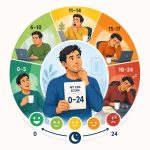 Your score is more than just a number. After completing the Epworth Sleepiness Scale (ESS), most people immediately ask: “Is my score good or bad?” The answer depends on more than the number itself, but your score can provide valuable clues about how daytime sleepiness is affecting your life. Let’s break it down.
 - The 8 Questions of the Epworth Sleepiness Scale Explained
 Why these eight situations reveal more about your sleep than you might think. The Epworth Sleepiness Scale (ESS) is one of the most widely used questionnaires in sleep medicine. At first glance, the questions seem surprisingly simple. Could you fall asleep while reading? What about watching television? Or sitting quietly after lunch?
 - Tired, Fatigued, or Sleepy? Understanding the Difference
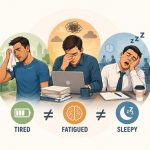 “I’m tired all the time.” It’s one of the most common complaints heard by doctors. The problem is that “tired” can mean many different things. You might be physically exhausted after a long day. You might feel mentally drained after hours of work. Or you might be fighting a strong urge to fall asleep while… Read more: Tired, Fatigued, or Sleepy? Understanding the Difference
 - Why Feeling Sleepy Matters More Than You Think
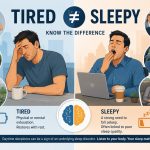 The difference between being tired and being sleepy could reveal an underlying sleep disorder. Most people use the words tired, fatigued, exhausted, and sleepy as if they mean the same thing. In sleep medicine, they don’t.
 - What Is the Epworth Sleepiness Scale?
 One of the most widely used tools for measuring daytime sleepiness. If you’ve ever searched for information about sleep apnea, chronic fatigue, or sleep disorders, you’ve probably come across something called the Epworth Sleepiness Scale, often abbreviated as ESS.
 - Could You Have Sleep Apnea?
 A Quick 2-Minute Self-Check
 - Understanding AASM Guidelines: The Gold Standard for Sleep Apnea Care
 Sleep apnea is one of the most common sleep disorders worldwide, yet many people remain undiagnosed for years. Loud snoring, daytime fatigue, morning headaches, and poor concentration are often dismissed as normal consequences of aging, stress, or a busy lifestyle. To ensure consistent and evidence-based diagnosis and treatment, sleep specialists around the world rely on… Read more: Understanding AASM Guidelines: The Gold Standard for Sleep Apnea Care
 - Understanding AASM Guidelines: The Gold Standard for Sleep Apnea Care
 What Is the AASM? The American Academy of Sleep Medicine (AASM) is the leading professional organization responsible for developing evidence-based standards for diagnosing and treating sleep disorders.
 - Camping with sleep apnea: using CPAP off-grid
 Being diagnosed with sleep apnea does not mean giving up outdoor adventures. Many people assume that CPAP therapy and camping are incompatible, but modern battery technology, portable PAP devices, and efficient power solutions have made it possible to enjoy camping while maintaining effective treatment. Whether you’re planning a weekend at a campground, a multi-day hiking… Read more: Camping with sleep apnea: using CPAP off-grid
 - CPAP batteries and portable power solutions: staying powered wherever you sleep
 For most sleep apnea patients, PAP therapy becomes a nightly necessity. While using a CPAP machine at home is usually straightforward, maintaining therapy becomes more challenging when electricity is unavailable. Whether traveling, camping, flying, experiencing a power outage, or spending time off-grid, reliable power becomes an essential part of successful treatment.
 - Flying with a CPAP machine: everything you need to know before your flight
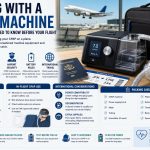 For people living with sleep apnea, travel often raises an important question: can you bring a CPAP machine on an airplane? The good news is yes.
 - Travel CPAP machines: sleep apnea therapy on the go
 For many people living with sleep apnea, PAP therapy becomes an essential part of daily life. Whether traveling for business, visiting family, taking a vacation, or exploring the outdoors, maintaining consistent therapy remains important for health, safety, and sleep quality. Fortunately, modern travel CPAP machines make it easier than ever to continue treatment away from… Read more: Travel CPAP machines: sleep apnea therapy on the go
 - CPAP cleaning and maintenance: keeping your equipment safe, effective, and hygienic
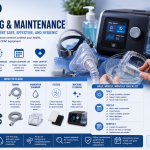 A CPAP machine is an investment in your health. Like any device that is used every day, it requires regular maintenance to perform properly and provide a safe, comfortable therapy experience. Masks, tubing, humidifiers, filters, and machine components are exposed to moisture, skin oils, dust, and environmental contaminants. Without proper care, these materials can accumulate… Read more: CPAP cleaning and maintenance: keeping your equipment safe, effective, and hygienic
 - CPAP filters: the small component that protects your therapy
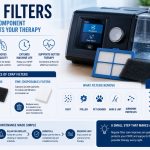 When people think about CPAP equipment, they usually focus on machines, masks, tubing, and humidifiers. One of the most important components of the entire system often goes unnoticed: the CPAP filter. Although small and inexpensive, filters play a critical role in protecting both the user and the machine. They help remove dust, pollen, pet dander,… Read more: CPAP filters: the small component that protects your therapy
 - Heated CPAP tubes: preventing rainout and improving therapy comfort
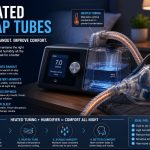 Modern PAP therapy has become increasingly comfortable thanks to innovations designed to improve airflow quality and reduce common side effects. One of the most useful advancements is the heated CPAP tube, also known as a heated hose. While heated humidifiers add moisture to therapy air, heated tubing helps maintain that moisture all the way from… Read more: Heated CPAP tubes: preventing rainout and improving therapy comfort
 - Heated humidifiers: improving comfort during CPAP therapy
 For many people, the biggest challenge of PAP therapy is not the machine itself—it’s the side effects of breathing pressurized air throughout the night. Dry mouth, nasal irritation, congestion, sore throat, and discomfort are among the most common complaints reported by CPAP users. Fortunately, modern PAP systems often include a solution: heated humidification.
 - CPAP mask problems and solutions: fixing the most common therapy issues
 Starting PAP therapy can be life-changing, but adapting to a CPAP mask is not always easy. Even patients who are highly motivated to improve their sleep sometimes encounter challenges that affect comfort, sleep quality, or treatment effectiveness. The good news is that most CPAP mask problems can be solved. In many cases, small adjustments to… Read more: CPAP mask problems and solutions: fixing the most common therapy issues
 - How to choose the right CPAP mask: a complete guide for sleep apnea patients
 Choosing the right CPAP mask is one of the most important decisions a sleep apnea patient will make. While modern PAP machines are highly advanced, even the most sophisticated device can become ineffective if the mask is uncomfortable, leaks excessively, or prevents consistent nightly use. In fact, many therapy challenges are not caused by the… Read more: How to choose the right CPAP mask: a complete guide for sleep apnea patients
 - Full face masks: the best CPAP mask for mouth breathers
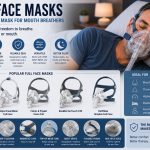 For many sleep apnea patients, PAP therapy becomes much easier once they find the right mask. While nasal masks and nasal pillow masks are excellent options for many users, they rely heavily on the ability to breathe comfortably through the nose. For people who frequently breathe through their mouths during sleep, suffer from chronic nasal… Read more: Full face masks: the best CPAP mask for mouth breathers
 - Nasal pillow masks: minimal contact, maximum freedom
 For many people starting PAP therapy, one of the biggest concerns is the mask itself. Traditional masks can appear bulky, restrictive, or intimidating, leading some patients to worry about comfort and long-term use. Nasal pillow masks were developed to solve many of these concerns. Instead of covering the nose or the entire face, these ultra-minimal… Read more: Nasal pillow masks: minimal contact, maximum freedom
 - Nasal masks: the most popular CPAP mask for sleep apnea therapy
 When people think of CPAP therapy, the image that often comes to mind is a nasal mask. For decades, nasal masks have been one of the most widely prescribed and most successful interfaces used in positive airway pressure therapy. Offering an effective balance between comfort, stability, and performance, nasal masks are often recommended as a… Read more: Nasal masks: the most popular CPAP mask for sleep apnea therapy
 - CPAP masks: choosing the right interface for comfortable and effective therapy
 Even the most advanced CPAP, APAP, BiPAP, or ASV machine can only be effective if the user wears it consistently. While pressure settings and machine technology are important, many sleep specialists agree that mask comfort is often the single most important factor determining long-term treatment success. A properly fitted mask can mean the difference between… Read more: CPAP masks: choosing the right interface for comfortable and effective therapy
 - ASV machines: advanced therapy for central and complex sleep apnea
 While CPAP, APAP, and BiPAP therapies successfully treat millions of people with obstructive sleep apnea, some patients experience breathing disorders that require a more sophisticated approach. For these individuals, Adaptive Servo-Ventilation (ASV) may provide the most advanced form of non-invasive sleep breathing support available today. ASV technology continuously monitors every breath and automatically adjusts pressure… Read more: ASV machines: advanced therapy for central and complex sleep apnea
 - BiPAP machines: when CPAP and APAP are not enough
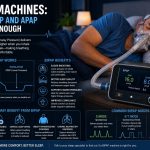 For many people with obstructive sleep apnea, CPAP and APAP therapy provide excellent results. However, some patients require higher pressures, have difficulty exhaling against continuous pressure, or suffer from more complex breathing disorders. In these situations, a BiPAP machine may offer a more comfortable and effective solution. BiPAP, also known as BPAP (Bilevel Positive Airway… Read more: BiPAP machines: when CPAP and APAP are not enough
 - APAP machines: intelligent sleep apnea therapy that adjusts to your breathing
 Positive Airway Pressure therapy has evolved significantly over the past few decades. While traditional CPAP machines remain highly effective, many modern sleep apnea patients are now prescribed APAP devices that automatically adjust therapy pressure throughout the night. APAP, or Automatic Positive Airway Pressure, uses advanced algorithms and sensors to continuously monitor breathing patterns and respond… Read more: APAP machines: intelligent sleep apnea therapy that adjusts to your breathing
 - CPAP machines: the most effective treatment for obstructive sleep apnea
 For millions of people living with obstructive sleep apnea (OSA), Continuous Positive Airway Pressure (CPAP) therapy remains the gold standard treatment. Decades of clinical research have demonstrated that CPAP therapy can dramatically improve sleep quality, reduce daytime fatigue, lower cardiovascular risk, and improve overall quality of life when used consistently. Although the idea of sleeping… Read more: CPAP machines: the most effective treatment for obstructive sleep apnea
 - Cardiorespiratory monitoring systems: understanding breathing and heart activity during sleep
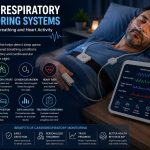 Breathing and heart function are closely connected during sleep. When breathing becomes disrupted, oxygen levels can fall, heart rate may fluctuate, and the body can experience significant physiological stress. For this reason, many sleep disorders are evaluated using cardiorespiratory monitoring systems that simultaneously track respiratory and cardiovascular activity throughout the night. These devices play an… Read more: Cardiorespiratory monitoring systems: understanding breathing and heart activity during sleep
 - Actigraphy: measuring sleep patterns over days and weeks
 Most sleep studies focus on what happens during a single night. Actigraphy takes a different approach. Instead of examining sleep in a laboratory for a few hours, actigraphy monitors sleep and activity patterns continuously over days, weeks, or even months. By tracking movement throughout daily life, actigraphy helps sleep specialists understand how a person sleeps… Read more: Actigraphy: measuring sleep patterns over days and weeks
 - Sleep tracking wearables: can smart watches and smart rings detect sleep apnea?
 Wearable technology has transformed the way people monitor their health. What began as simple step counters has evolved into sophisticated devices capable of tracking heart rate, blood oxygen levels, temperature changes, movement patterns, and even estimated sleep stages. Today, millions of people use smart watches, smart rings, fitness bands, and other wearable devices to better… Read more: Sleep tracking wearables: can smart watches and smart rings detect sleep apnea?
 - Pulse oximeters and sleep disorders: can oxygen monitoring detect sleep apnea?
 Pulse oximeters are among the most widely used medical monitoring devices in the world. Small, affordable, and easy to use, they provide real-time measurements of blood oxygen saturation and heart rate. During the COVID-19 pandemic, these devices became common household tools, but their role in sleep medicine extends far beyond respiratory infections. For individuals concerned… Read more: Pulse oximeters and sleep disorders: can oxygen monitoring detect sleep apnea?
 - Home Sleep Tests (HST): diagnosing sleep apnea from the comfort of your home
 For many people experiencing symptoms such as loud snoring, excessive daytime sleepiness, morning headaches, or witnessed breathing pauses during sleep, the first step toward diagnosis is often a Home Sleep Test (HST). Home Sleep Tests have transformed sleep medicine by making sleep apnea screening more accessible, convenient, and affordable. Instead of spending a night in… Read more: Home Sleep Tests (HST): diagnosing sleep apnea from the comfort of your home
 - Polysomnography (PSG): the gold standard for sleep disorder diagnosis
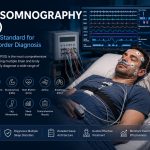 When healthcare professionals need the most comprehensive picture of a person’s sleep, they turn to polysomnography (PSG). Often referred to as a “sleep study,” polysomnography is considered the gold standard for diagnosing many sleep disorders because it simultaneously records multiple physiological signals throughout the night.
 - Diagnostic devices for sleep disorders: how sleep problems are identified and measured
 Sleep disorders cannot usually be diagnosed based solely on symptoms. While snoring, daytime fatigue, morning headaches, poor concentration, and restless sleep may indicate an underlying condition, healthcare professionals often rely on specialized diagnostic devices to understand what happens while a person is asleep.
 - Understanding sleep disorder devices: from lifestyle aids to advanced medical therapies
 Sleep disorders affect millions of people worldwide and can significantly impact physical health, mental well-being, cognitive performance, and overall quality of life. Fortunately, a wide range of devices and technologies are available to help diagnose, monitor, and treat sleep-related conditions. These solutions range from simple consumer products to highly specialized medical devices prescribed and supervised… Read more: Understanding sleep disorder devices: from lifestyle aids to advanced medical therapies
 - “I’m worried about their heart” — when concern becomes urgent
 You have seen the pauses. The gasps. The heavy snoring. And now you are worried about their heart. You are not overthinking. Sleep apnea is strongly connected to cardiovascular strain.
 - “Should I sleep in another room?” — protecting your own sleep
 You are exhausted. The snoring is constant. You wake up repeatedly. You feel guilty for wanting quiet. Sleeping separately can feel like a relationship failure. It is not.
 - “They say they slept fine — but they’re exhausted” — why perception can be misleading
 They insist they slept all night. But they wake up drained. This contradiction is common in sleep apnea. The person may not remember waking — even if it happened dozens of times.
 - “They fall asleep everywhere” — when it becomes a safety issue
 They fall asleep during movies. During conversations. Sometimes even while sitting upright. You may joke about it. But deep down, you are concerned. Excessive daytime sleepiness is not laziness. It can be a sign that nighttime sleep is severely disrupted.
 - How sleep apnea affects relationships and intimacy
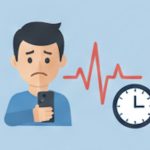 Chronic fatigue changes people. Shorter patience. Lower energy. Reduced intimacy. Separate bedrooms. Sleep apnea can quietly reshape a relationship.
 - Living with someone who refuses evaluation — what can you do?
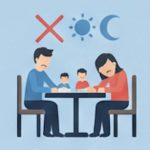 You’ve mentioned it before. They laugh it off. They say they’re just tired. They say it’s normal. Meanwhile, you are worried.
 - “I notice they stop breathing” — what partners should know
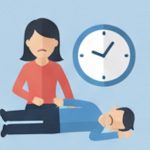 You are lying next to them. The snoring stops. Silence. Then a sudden gasp. You hold your breath, waiting. Seeing someone stop breathing — even briefly — is frightening.
 - “I can’t sleep because of their snoring” — when frustration meets health risk
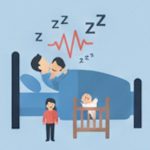 You lie awake listening. The snoring is loud. It stops. Then it starts again with a gasp. You feel irritated. Exhausted. Sometimes resentful. But what feels like a relationship problem may actually be a health issue.
 - Teeth grinding at night (bruxism) — could your jaw be reacting to breathing problems?
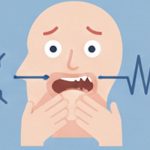 You wake up with jaw tension. Your teeth feel sensitive. You may have headaches near your temples. Your dentist tells you that you grind your teeth at night. Teeth grinding — known as bruxism — is often blamed on stress. But in some people, nighttime grinding may be linked to disrupted breathing during sleep.
 - Waking up with a racing heart — anxiety or breathing problem?
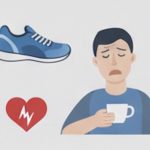 You wake up suddenly. Your heart is pounding. Your chest feels tight. You may feel anxious or slightly short of breath. Within minutes, it settles. Many people assume this is a panic attack or stress. But in some cases, waking up with a racing heart can be linked to disrupted breathing during sleep. What is… Read more: Waking up with a racing heart — anxiety or breathing problem?
 - Dry mouth every morning — more than dehydration?
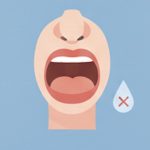 You wake up and your mouth feels dry. Your throat may burn slightly. You reach for water immediately. It happens almost every morning. Many people assume they are simply dehydrated. But recurring morning dry mouth can be a sign that you are breathing through your mouth all night — and that may point to sleep… Read more: Dry mouth every morning — more than dehydration?
 - Frequent nighttime urination (nocturia) — a hidden sleep apnea clue
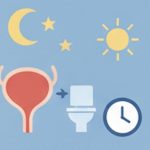 You wake up at 2:17 AM. You go to the bathroom. Then again at 4:03 AM. Many people assume this is just aging, prostate changes, or “drinking too much water.” But frequent nighttime urination — known as nocturia — can sometimes be a sign of disrupted breathing during sleep. It is one of the most… Read more: Frequent nighttime urination (nocturia) — a hidden sleep apnea clue
 - Night sweats and sleep apnea — is there a connection?
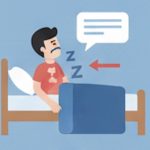 You wake up in the middle of the night. Your shirt is damp. The sheets feel warm. You may have to change clothes. Many people immediately think of hormones, stress, or room temperature. But in some cases, recurring night sweats can be linked to disrupted breathing during sleep.
 - Why treating sleep apnea reduces cardiovascular risk — what the data shows
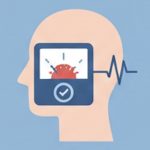 Sleep apnea increases cardiovascular risk. That part is clear. But the more important question is: Does treatment actually reduce that risk — or does it only improve symptoms? The evidence shows that treating sleep apnea can meaningfully reduce cardiovascular strain, especially when therapy is consistent.
 - Micro-awakenings and chronic stress on the heart
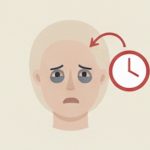 You may think you sleep through the night. But with sleep apnea, your brain may wake up — briefly — dozens or even hundreds of times. These are called micro-awakenings (micro-arousals). You don’t remember them. But your heart does.
 - Sleep apnea and cognitive decline — is there a link to dementia?
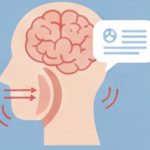 Many people with sleep apnea say the same thing: “I feel slower.” “I forget things.” “I can’t focus like I used to.” This is not just fatigue. Growing evidence suggests that untreated sleep apnea may increase the risk of long-term cognitive decline — including dementia.
 - Can untreated sleep apnea cause sudden cardiac death?
 Sudden cardiac death sounds dramatic — and it is. It refers to an unexpected loss of heart function, usually caused by a dangerous heart rhythm disturbance (arrhythmia). Research shows that untreated moderate to severe sleep apnea increases the risk of these life-threatening events — especially during the night.
 - Silent damage: how sleep apnea thickens your arteries over time
 Most people think heart disease happens suddenly. In reality, it builds slowly — silently — over years. Untreated sleep apnea accelerates this silent process by gradually thickening and damaging your arteries, long before symptoms appear.
 - Sleep apnea and coronary artery disease — does it increase heart attack risk?
 Coronary artery disease (CAD) is one of the leading causes of heart attacks worldwide. Sleep apnea — especially obstructive sleep apnea (OSA) — quietly increases the risk in ways most people never realize. If you have sleep apnea and heart disease, the connection is not accidental.
 - When should you see a doctor about your sleep?
 Everyone has bad nights. Stress, travel, late dinners — these can temporarily disrupt sleep. But persistent sleep problems are not normal. If symptoms last for weeks or affect your health, mood, or safety, it’s time to take them seriously. Below is a clear guide to help you decide when sleep issues require medical evaluation.
 - Which sleep disorder might you have? (Simple decision guide)
 Many people live for years with untreated sleep disorders because the symptoms overlap — fatigue, brain fog, irritability, poor focus. This simple step-by-step guide helps you narrow down what might be happening based on your dominant symptoms. This is not a diagnosis — but it can point you in the right direction.
 - Sleep disorders compared: how to tell the difference
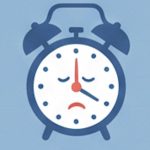 Many sleep disorders share similar symptoms — fatigue, poor concentration, mood changes, and low energy. But the root causes are very different. Some involve breathing problems, others brain signaling issues, movement disorders, or circadian misalignment. Understanding the differences is the first step toward proper treatment. Below is a simple comparison to help you see how… Read more: Sleep disorders compared: how to tell the difference
 - Sleepwalking (Somnambulism)
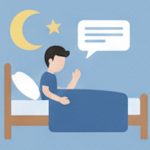 Sleepwalking is a sleep disorder where a person gets up and walks or performs activities while still asleep. It usually happens during deep non-REM sleep and is more common in children, though adults can experience it too.
 - Sleep paralysisSleep paralysis is a temporary inability to move or speak that happens when falling asleep or waking up. Although it can feel frightening, it is usually harmless and lasts from a few seconds to a couple of minutes.
- Night terrors (Sleep terrors)
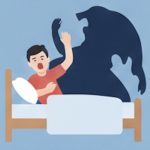 Night terrors are intense episodes of fear that occur during deep non-REM sleep, usually in the first third of the night. Unlike nightmares, the person is often not fully awake and usually does not remember the episode in the morning.
 - Circadian rhythm sleep–wake disorders
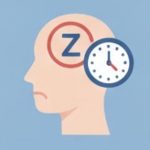 Circadian rhythm sleep–wake disorders occur when your internal biological clock is out of sync with the external day–night cycle. Even if you have enough time to sleep, your body simply wants to sleep and wake at the “wrong” times.
 - Shift work sleep disorderShift work sleep disorder affects people who work night shifts, rotating shifts, or very early morning schedules. It happens when your work hours conflict with your natural biological clock, making it difficult to sleep properly and stay alert when needed.
- REM sleep behavior disorder (RBD)
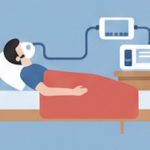 REM sleep behavior disorder is a condition where a person physically acts out vivid dreams during REM sleep. Instead of being temporarily paralyzed as we normally are in REM sleep, the body moves — sometimes violently — which can lead to injury.
 - Narcolepsy
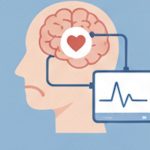 Narcolepsy is a chronic neurological sleep disorder that affects the brain’s ability to regulate sleep and wakefulness. People with narcolepsy often feel overwhelming daytime sleepiness and may suddenly fall asleep without warning.
 - Restless legs syndrome (RLS)
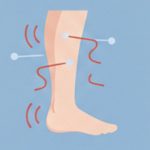 Restless legs syndrome is a neurological sleep disorder that causes an overwhelming urge to move the legs, usually in the evening or at night. It can make falling asleep extremely difficult and lead to chronic sleep deprivation.
 - Insomnia disorder
 Insomnia disorder is one of the most common sleep problems worldwide. It is not just about sleeping less — it is about struggling to fall asleep, stay asleep, or waking too early, even when you have enough opportunity to sleep.
 - Complex sleep apnea
 (Treatment-Emergent Central Sleep Apnea) Complex sleep apnea is a condition where someone is diagnosed with obstructive sleep apnea, starts CPAP therapy, and then develops central apneas during treatment. It is also called treatment-emergent central sleep apnea because the central pauses appear after therapy begins.
 - Central sleep apnea (CSA)Central sleep apnea is a less common but serious sleep disorder where breathing repeatedly stops during sleep — not because the airway is blocked, but because the brain temporarily fails to send the correct signals to breathe.
- Obstructive sleep apnea (OSA)
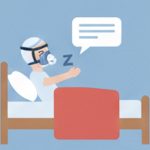 Obstructive sleep apnea is the most common sleep-related breathing disorder. It happens when the airway repeatedly collapses during sleep, blocking airflow and reducing oxygen levels — often without the person fully realizing it.
 - Overnight pulse oximeter — is it useful for detecting sleep apnea?
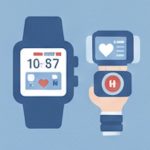 An overnight pulse oximeter is a small device worn on the finger to monitor oxygen saturation during sleep. Because sleep apnea causes repeated drops in oxygen levels, many people wonder: Can an overnight oximeter detect sleep apnea? The answer is nuanced. An oximeter can provide useful clues — but it cannot confirm the diagnosis on… Read more: Overnight pulse oximeter — is it useful for detecting sleep apnea?
 - Can a smartwatch detect sleep apnea? What modern devices can and cannot do
 Modern smartwatches track: This raises a common question: Can a smartwatch detect sleep apnea? The short answer: It can raise suspicion — but it cannot diagnose sleep apnea. Understanding the difference is important.
 - The STOP-BANG questionnaire explained — how doctors screen for sleep apnea risk
 When clinicians suspect sleep apnea, they often begin with a structured screening tool. One of the most widely used tools worldwide is the STOP-BANG questionnaire. It is simple, quick, and evidence-based. It does not diagnose sleep apnea — but it helps identify who is at higher risk and should undergo formal testing.
 - A practical self-check guide
 Many people live for years with undiagnosed sleep apnea. They assume they are simply tired, stressed, or getting older. If you are wondering whether your sleep is truly restorative, this practical self-check guide can help you identify warning signs. This is not a diagnosis. It is a structured way to evaluate your risk before seeking… Read more: A practical self-check guide
 - Insomnia vs sleep apnea — how to tell the difference
 Many people who struggle with sleep assume they have insomnia. They lie awake, feel exhausted during the day, and conclude: “I just can’t sleep.” But not all sleep problems are the same. Insomnia and sleep apnea are very different conditions. They have different causes, different mechanisms, and different treatments. Understanding the difference is essential before… Read more: Insomnia vs sleep apnea — how to tell the difference
 - Lifestyle changes that actually help — what makes a measurable difference in sleep apnea
 When people are diagnosed with sleep apnea, they often ask: “What can I do myself?” Lifestyle changes alone do not cure most cases of moderate to severe obstructive sleep apnea. However, they can significantly reduce severity, improve symptoms, and enhance the effectiveness of medical treatment. The key is knowing what actually helps — and what… Read more: Lifestyle changes that actually help — what makes a measurable difference in sleep apnea
 - Surgery for sleep apnea — when is it appropriate and what are the expectations?
 For some patients, the question arises: “Can surgery fix my sleep apnea?” Surgery is not the first-line treatment for most people with obstructive sleep apnea. However, in selected cases, it can significantly reduce airway obstruction and improve breathing during sleep. Understanding when surgery is appropriate — and what results are realistic — is essential before… Read more: Surgery for sleep apnea — when is it appropriate and what are the expectations?
 - Oral appliances for sleep apnea — who are they most effective for?
 Not everyone with sleep apnea wants — or needs — a CPAP machine. For selected patients, an oral appliance can be an effective alternative. These devices are custom-made, worn during sleep, and designed to keep the airway open by adjusting jaw position. Understanding who benefits most from this option is essential before choosing it.
 - Can sleep apnea be cured? Understanding realistic treatment expectationsOne of the first questions many people ask after diagnosis is: “Can this be cured?” The answer depends on the cause, severity, and individual anatomy. In many cases, sleep apnea can be effectively controlled. In some situations, it can improve significantly. In others, long-term management is required. Understanding realistic expectations is important before choosing a… Read more: Can sleep apnea be cured? Understanding realistic treatment expectations
- CPAP explained — what it really feels like and what to expect
 For many people diagnosed with sleep apnea, the word “CPAP” immediately raises concern. They imagine a large machine, uncomfortable masks, and difficulty sleeping. In reality, CPAP therapy is one of the most effective and well-studied treatments for obstructive sleep apnea. Understanding what it does — and what it actually feels like — helps reduce unnecessary… Read more: CPAP explained — what it really feels like and what to expect
 - How is sleep apnea diagnosed?
 If you suspect sleep apnea, the next logical question is simple: How is it actually diagnosed? Sleep apnea cannot be confirmed based on symptoms alone. Snoring, fatigue, and morning headaches are clues — but diagnosis requires objective measurement of breathing during sleep. Fortunately, modern testing is straightforward and widely available.
 - Sleep apnea and heart failure — a two-way relationship
 Heart failure occurs when the heart cannot pump blood efficiently enough to meet the body’s needs. Shortness of breath, swelling in the legs, fatigue, and reduced exercise tolerance are common symptoms. What is less widely known is that sleep apnea and heart failure frequently coexist — and they influence each other. This is not a… Read more: Sleep apnea and heart failure — a two-way relationship
 - Can sleep apnea increase stroke risk? Understanding the vascular connectionStroke is one of the leading causes of disability and death worldwide. High blood pressure, diabetes, smoking, and heart rhythm disorders are well-known risk factors. Less commonly discussed is the role of sleep apnea. Growing evidence shows that untreated sleep apnea is associated with increased stroke risk — both through direct vascular stress and indirect… Read more: Can sleep apnea increase stroke risk? Understanding the vascular connection
- Sleep apnea and heart rhythm disorders — why atrial fibrillation often goes hand in hand
 Heart rhythm disorders, especially atrial fibrillation (AFib), are increasingly common. What many patients do not realize is that disrupted breathing during sleep is strongly associated with abnormal heart rhythms. Sleep apnea does not just affect oxygen levels. It directly influences the electrical stability of the heart.
 - Sleep apnea and high blood pressure — why the connection is strong
 High blood pressure (hypertension) is one of the most common chronic medical conditions worldwide. Many people take medication for years without asking an important question: Could disrupted breathing during sleep be contributing to the problem? Sleep apnea and high blood pressure are closely linked. In some patients, untreated sleep apnea makes blood pressure harder to… Read more: Sleep apnea and high blood pressure — why the connection is strong
 - Erectile dysfunction and sleep apnea — an overlooked connection.
 Erectile dysfunction (ED) is often associated with age, stress, or psychological factors. What many men do not realize is that disrupted breathing during sleep can directly affect sexual function. Sleep apnea and erectile dysfunction are closely linked — through oxygen levels, vascular health, and hormone regulation. In some cases, sleep apnea may be an underlying… Read more: Erectile dysfunction and sleep apnea — an overlooked connection.
 - Irritability, mood swings, and anxiety — how poor sleep affects emotional health
 You feel on edge. Small things irritate you more than they used to. Your patience is shorter. Your mood shifts quickly. Many adults assume this is stress, personality, or life pressure. But chronic sleep disruption — especially from untreated sleep apnea — can significantly affect emotional stability. Sleep and mental regulation are closely connected.
 - Falling asleep during the day — when daytime sleepiness becomes dangerousEveryone feels tired occasionally. But unintentionally falling asleep during the day — especially in situations that require attention — is not normal. If you struggle to stay awake while reading, watching television, sitting in meetings, or even driving, your body may be signaling that nighttime sleep is not restorative. Excessive daytime sleepiness is one of… Read more: Falling asleep during the day — when daytime sleepiness becomes dangerous
- Waking up gasping or choking at night — what it means and when it is a red flag
 Few experiences are as unsettling as waking up suddenly, struggling to breathe. You may sit upright in bed. Your heart may be racing. You feel as if you were choking or suffocating. Some people dismiss this as anxiety or a bad dream. In certain cases, however, waking up gasping for air can be a sign… Read more: Waking up gasping or choking at night — what it means and when it is a red flag
 - Brain fog, memory problems, and poor concentration — how sleep disruption affects cognitive function
 You read the same sentence three times. You walk into a room and forget why. You struggle to find simple words during conversations. Many adults describe this as “brain fog.” It is often blamed on stress, aging, or workload. But when brain fog becomes persistent — especially alongside poor sleep — disrupted nighttime breathing may… Read more: Brain fog, memory problems, and poor concentration — how sleep disruption affects cognitive function
 - Morning headaches and sleep apnea — what your body may be telling you
 You wake up in the morning with a dull headache. It feels like pressure on both sides of the head. It may fade within an hour or two. Painkillers sometimes help, sometimes not. Many people blame dehydration, stress, or poor posture. But recurring morning headaches can be linked to disrupted breathing during sleep.
 - Why am I always tired — even after 8 hours of sleep?
 You go to bed at a reasonable hour. You sleep for seven or eight hours. The alarm rings — and you feel exhausted. This is one of the most common complaints in modern adults. Many people assume the problem is stress, aging, or simply “a busy life.” But when persistent fatigue continues despite adequate time… Read more: Why am I always tired — even after 8 hours of sleep?
- Accesories (3)
- Cardiovascular & Brain Risks (10)
- Devices (22)
- FAQ (12)
- For Partners & Family (8)
- For Professionals (9)
- Humudifiers (1)
- Maintenance (2)
- Masks (2)
- Real Stories & Case Studies (1)
- Self-Testing & Tools (17)
- Sleep Apnea & Lifestyle (3)
- Symptoms People Ignore (14)
- Travel (3)
- Treatment Options (25)
- Uncategorized (1)
- Understanding Sleep Apnea (26)