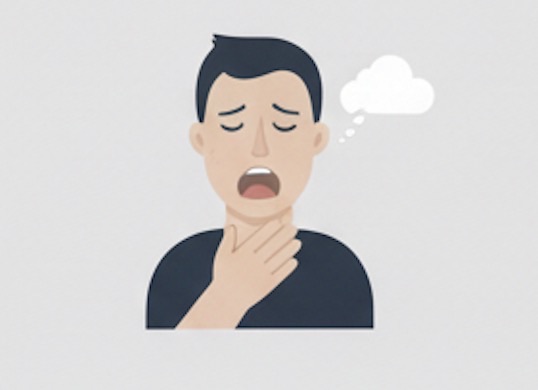
Waking up gasping or choking at night — what it means and when it is a red flag
Few experiences are as unsettling as waking up suddenly, struggling to breathe.
You may sit upright in bed.
Your heart may be racing.
You feel as if you were choking or suffocating.
Some people dismiss this as anxiety or a bad dream. In certain cases, however, waking up gasping for air can be a sign of sleep apnea.
Understanding the difference is important.
What happens during a nighttime choking episode?
In obstructive sleep apnea:
- The airway collapses during sleep
- Airflow stops or becomes severely restricted
- Oxygen levels begin to fall
As oxygen drops and carbon dioxide rises, the brain triggers an emergency response.
You partially wake up to:
- Restore muscle tone in the throat
- Reopen the airway
- Take a deep breath
This sudden reopening often produces a loud gasp or choking sound.
You may not remember the event clearly the next morning, but the sensation can be intense.
Why it feels frightening
When breathing stops, the body activates survival mechanisms:
- Adrenaline is released
- Heart rate increases
- Blood pressure rises
This creates a surge of alertness.
Even if the event lasts only seconds, the physical sensation can feel dramatic.
Repeated episodes during the night lead to fragmented sleep and persistent fatigue.
Is it always sleep apnea?
Not always.
Other conditions can cause nighttime awakenings with shortness of breath, including:
- Panic attacks
- Gastroesophageal reflux (acid irritation in the throat)
- Asthma
- Heart-related conditions
However, sleep apnea should be strongly considered if gasping episodes occur alongside:
- Loud snoring
- Witnessed breathing pauses
- Morning headaches
- Daytime sleepiness
- High blood pressure
The pattern matters.
How often is too often?
An occasional awakening due to stress or illness can happen to anyone.
Concerning signs include:
- Repeated gasping episodes several times per week
- A partner reporting that you stop breathing
- Loud snorts after periods of silence
- Chronic unrefreshing sleep
Frequent episodes are not normal and should not be ignored.
The impact on the heart
Each choking episode activates the cardiovascular system.
Repeated activation night after night can contribute to:
- Elevated blood pressure
- Irregular heart rhythms
- Increased cardiac strain
For individuals with existing heart conditions, untreated sleep apnea can worsen outcomes.
When to seek evaluation
You should seek medical evaluation if:
- You wake up gasping repeatedly
- Someone observes breathing pauses
- You experience excessive daytime fatigue
- You have cardiovascular risk factors
A sleep study can determine whether airway obstruction is occurring during the night.
The key takeaway
Waking up gasping or choking is not something to dismiss casually.
While it may have different causes, it can be a red flag for obstructive sleep apnea — especially when combined with snoring and daytime fatigue.
If your body is repeatedly waking you to breathe, it is worth understanding why.
Restful sleep should not involve survival responses.