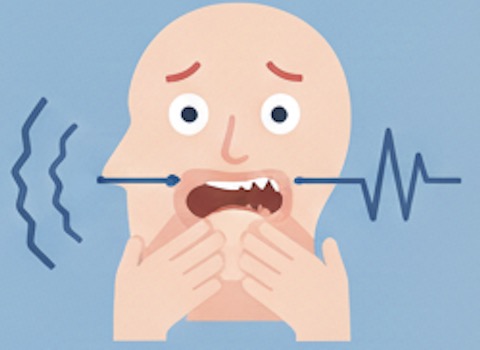
You wake up suddenly.
Your heart is pounding.
Your chest feels tight.
You may feel anxious or slightly short of breath.
Within minutes, it settles.
Many people assume this is a panic attack or stress.
But in some cases, waking up with a racing heart can be linked to disrupted breathing during sleep.
What is happening in that moment?
When the heart suddenly speeds up at night, it is usually due to a surge in the sympathetic nervous system — the body’s “fight or flight” response.
That surge can be triggered by:
• Anxiety
• Nightmares
• Hormonal fluctuations
• Blood sugar changes
• Or oxygen drops during sleep
The last cause is often overlooked.
How sleep apnea triggers heart racing
During obstructive sleep apnea:
• The airway collapses
• Oxygen levels fall
• Carbon dioxide rises
• The brain senses danger
To restart breathing, the body releases adrenaline.
Adrenaline causes:
• Rapid heart rate
• Blood pressure spikes
• Sudden awakening
• A feeling of alarm
You may wake up thinking something frightening just happened.
In reality, your body was reacting to low oxygen.
Why it feels like anxiety
The symptoms overlap:
• Racing heart
• Sweating
• Shortness of breath
• Sudden awakening
• Sense of fear
Because of this similarity, nighttime breathing events are sometimes misinterpreted as panic disorder.
While anxiety disorders are real and common, breathing-related causes should be considered — especially if symptoms occur primarily during sleep.
Clues that breathing may be involved
Suspicion increases if you also have:
• Loud snoring
• Witnessed breathing pauses
• Morning headaches
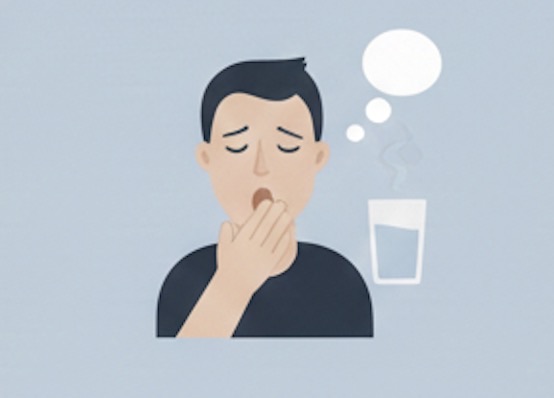
• Dry mouth
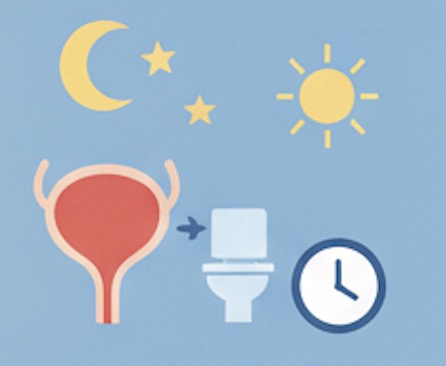
• Frequent nighttime urination
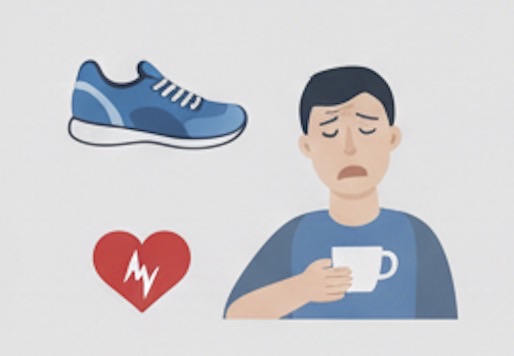
• Persistent daytime fatigue
Patterns matter more than isolated episodes.
Why this matters
Repeated nighttime heart rate spikes:
• Increase cardiovascular strain
• Disrupt deep sleep
• Reduce heart rate variability
• Contribute to long-term blood pressure problems
Even if episodes are brief, repetition over months or years adds stress to the heart.
When to seek medical evaluation
You should seek prompt medical care if:
• Heart racing is prolonged
• Chest pain occurs
• Fainting happens
• You have known heart disease
For recurring nighttime episodes without clear cause, discussing sleep evaluation with your doctor may be appropriate.
If your heart is racing at night, it may not be “just stress.”
Sometimes your body is not reacting to a thought.
It is reacting to a drop in oxygen.
Understanding the difference can change the direction of care.