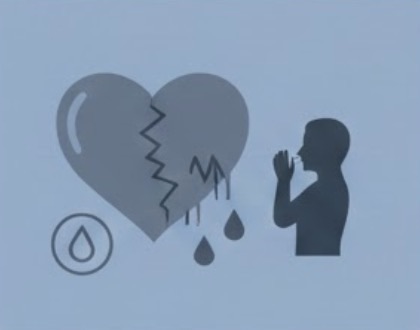
Category: Cardiovascular & Brain Risks

Sleep apnea is not just a sleep problem — it is a cardiovascular and neurological stress disorder that happens at night.

Every time breathing stops, oxygen levels drop. Your brain reacts by triggering a survival response. Your heart rate rises. Blood pressure spikes. Stress hormones surge. This can happen dozens or even hundreds of times per night — often without you realizing it.

Over months and years, this repeated strain increases the risk of high blood pressure, heart disease, stroke, memory decline, and other serious complications.

In this category, we explore how untreated sleep apnea quietly affects the heart and brain — and why addressing it early can significantly reduce long-term health risks.

Why treating sleep apnea reduces cardiovascular risk — what the data shows


Sleep apnea increases cardiovascular risk.

That part is clear.

But the more important question is:

Does treatment actually reduce that risk — or does it only improve symptoms?

The evidence shows that treating sleep apnea can meaningfully reduce cardiovascular strain, especially when therapy is consistent.

(more…)

Micro-awakenings and chronic stress on the heart


You may think you sleep through the night.

But with sleep apnea, your brain may wake up — briefly — dozens or even hundreds of times.

These are called micro-awakenings (micro-arousals).

You don’t remember them.

But your heart does.

(more…)

Sleep apnea and cognitive decline — is there a link to dementia?


Many people with sleep apnea say the same thing:

“I feel slower.”

“I forget things.”

“I can’t focus like I used to.”

This is not just fatigue.

Growing evidence suggests that untreated sleep apnea may increase the risk of long-term cognitive decline — including dementia.

(more…)

Can untreated sleep apnea cause sudden cardiac death?


Sudden cardiac death sounds dramatic — and it is.

It refers to an unexpected loss of heart function, usually caused by a dangerous heart rhythm disturbance (arrhythmia).

Research shows that untreated moderate to severe sleep apnea increases the risk of these life-threatening events — especially during the night.

(more…)

Silent damage: how sleep apnea thickens your arteries over time


Most people think heart disease happens suddenly.

In reality, it builds slowly — silently — over years.

Untreated sleep apnea accelerates this silent process by gradually thickening and damaging your arteries, long before symptoms appear.

(more…)

Sleep apnea and coronary artery disease — does it increase heart attack risk?


Coronary artery disease (CAD) is one of the leading causes of heart attacks worldwide.

Sleep apnea — especially obstructive sleep apnea (OSA) — quietly increases the risk in ways most people never realize.

If you have sleep apnea and heart disease, the connection is not accidental.

(more…)

Sleep apnea and heart failure — a two-way relationship


Heart failure occurs when the heart cannot pump blood efficiently enough to meet the body’s needs.

Shortness of breath, swelling in the legs, fatigue, and reduced exercise tolerance are common symptoms.

What is less widely known is that sleep apnea and heart failure frequently coexist — and they influence each other.

This is not a one-way relationship. Sleep apnea can worsen heart failure, and heart failure can worsen sleep apnea.

(more…)

Can sleep apnea increase stroke risk? Understanding the vascular connection


Stroke is one of the leading causes of disability and death worldwide.

High blood pressure, diabetes, smoking, and heart rhythm disorders are well-known risk factors. Less commonly discussed is the role of sleep apnea.

Growing evidence shows that untreated sleep apnea is associated with increased stroke risk — both through direct vascular stress and indirect cardiovascular effects.

Understanding this connection is important, especially for individuals with other risk factors.

(more…)

Sleep apnea and heart rhythm disorders — why atrial fibrillation often goes hand in hand


Heart rhythm disorders, especially atrial fibrillation (AFib), are increasingly common.

What many patients do not realize is that disrupted breathing during sleep is strongly associated with abnormal heart rhythms.

Sleep apnea does not just affect oxygen levels. It directly influences the electrical stability of the heart.

(more…)

Sleep apnea and high blood pressure — why the connection is strong


High blood pressure (hypertension) is one of the most common chronic medical conditions worldwide.

Many people take medication for years without asking an important question:

Could disrupted breathing during sleep be contributing to the problem?

Sleep apnea and high blood pressure are closely linked. In some patients, untreated sleep apnea makes blood pressure harder to control — even with medication.

(more…)