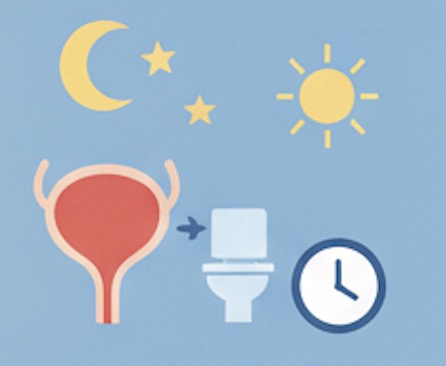
Frequent nighttime urination (nocturia) — a hidden sleep apnea clue
You wake up at 2:17 AM.
You go to the bathroom.
Then again at 4:03 AM.
Many people assume this is just aging, prostate changes, or “drinking too much water.”
But frequent nighttime urination — known as nocturia — can sometimes be a sign of disrupted breathing during sleep.
It is one of the most overlooked symptoms of sleep apnea.
What is nocturia?
Nocturia means waking up one or more times during the night to urinate.
Occasional bathroom trips can be normal.
But waking up two, three, or more times every night is not something to ignore — especially if it has become routine.
How sleep apnea causes nighttime urination
The connection surprises many people.
During obstructive sleep apnea:
• The airway collapses
• Oxygen levels drop
• The chest works harder to breathe
• Pressure inside the chest changes
These pressure shifts affect the heart.
When the heart senses increased strain, it releases a hormone called atrial natriuretic peptide (ANP).
ANP signals the kidneys to produce more urine.
In simple terms:
Your body thinks it is overloaded with fluid — so it tells your kidneys to get rid of it.
Even if you did not drink much water.
This can happen multiple times per night.
Why it is often misdiagnosed
Nocturia is commonly blamed on:
• Prostate enlargement
• Bladder issues
• Diabetes
• Aging
While these can certainly be causes, sleep apnea is often not considered — especially in men and middle-aged adults.
If prostate treatment does not fully resolve nighttime urination, breathing-related causes should be evaluated.
Signs that sleep apnea may be involved
Nocturia combined with any of the following raises suspicion:
• Loud snoring
• Witnessed breathing pauses
• Morning headaches
• Dry mouth
• Excessive daytime fatigue
• Waking up unrefreshed
Some patients are surprised to discover that after starting sleep apnea treatment, their nighttime bathroom trips decrease significantly.
Why this matters
Frequent nighttime urination does more than disrupt sleep.
Each awakening fragments restorative sleep cycles.
Over time, this contributes to:
• Chronic fatigue
• Mood changes
• Poor concentration
• Increased cardiovascular strain
Sometimes the bladder is not the primary problem.
The breathing is.
When to seek evaluation
Consider discussing sleep apnea with your doctor if:
• You wake up two or more times per night consistently
• Fatigue persists despite adequate time in bed
• You have high blood pressure
• You snore loudly
Addressing the underlying breathing issue may improve both sleep quality and nighttime urination.
Closing thought
If you are waking up repeatedly to use the bathroom, it may not be just your bladder.
Your body may be responding to nighttime stress signals triggered by low oxygen.
Sometimes the symptom is downstairs.
The cause is upstairs — in the airway.