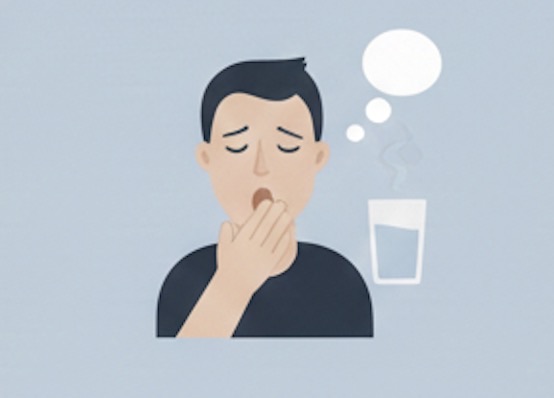
Irritability, mood swings, and anxiety — how poor sleep affects emotional health
You feel on edge.
Small things irritate you more than they used to.
Your patience is shorter.
Your mood shifts quickly.
Many adults assume this is stress, personality, or life pressure.
But chronic sleep disruption — especially from untreated sleep apnea — can significantly affect emotional stability.
Sleep and mental regulation are closely connected.
How sleep regulates mood
During healthy sleep, especially REM sleep:
- Emotional experiences are processed
- Stress responses are balanced
- Hormones are regulated
- The nervous system resets
This nightly reset helps maintain emotional stability and resilience.
When sleep is fragmented, that regulation process is incomplete.
The stress response problem
In sleep apnea, repeated breathing pauses trigger:
- Oxygen drops
- Adrenaline release
- Increased heart rate
- Blood pressure spikes
This activates the sympathetic nervous system — the body’s “fight or flight” system.
If this activation occurs dozens or hundreds of times per night, the nervous system remains partially elevated even during the day.
The result can include:
- Irritability
- Heightened reactivity
- Restlessness
- Low frustration tolerance
Sleep deprivation and emotional control
Research shows that insufficient or fragmented sleep:
- Reduces impulse control
- Amplifies negative emotional responses
- Decreases tolerance to stress
- Impairs decision-making
The prefrontal cortex — responsible for rational thinking and emotional regulation — functions less effectively when sleep quality is poor.
Meanwhile, emotional centers in the brain may become more reactive.
This imbalance can feel like “short temper” or persistent tension.
Anxiety and nighttime awakenings
Repeated nighttime awakenings can also contribute to anxiety-like symptoms.
Some individuals with sleep apnea report:
- Racing thoughts
- Feeling tense without clear reason
- Increased worry
- Nighttime awakenings with rapid heartbeat
While anxiety disorders are separate conditions, sleep disruption can worsen symptoms and reduce resilience.
The hidden cycle
Poor sleep leads to mood instability.
Mood instability increases stress.
Increased stress can further impair sleep.
This cycle can continue for years without identifying the root cause.
In some cases, individuals receive treatment for mood symptoms without evaluating sleep quality.
When to suspect a sleep-related cause
Consider evaluation if mood changes occur alongside:
- Loud snoring
- Witnessed breathing pauses
- Persistent fatigue
- Morning headaches
- Daytime sleepiness
If irritability and fatigue appear together, sleep fragmentation may be contributing.
The key takeaway
Irritability, mood swings, and anxiety are not always purely psychological.
When sleep is repeatedly disrupted and oxygen levels fluctuate during the night, emotional regulation can suffer.
Restorative sleep is essential for mental balance.
If your mood has shifted alongside chronic fatigue and poor sleep quality, it may be worth examining whether nighttime breathing disturbances are part of the problem.