Understanding sleep disorder devices: from lifestyle aids to advanced medical therapies
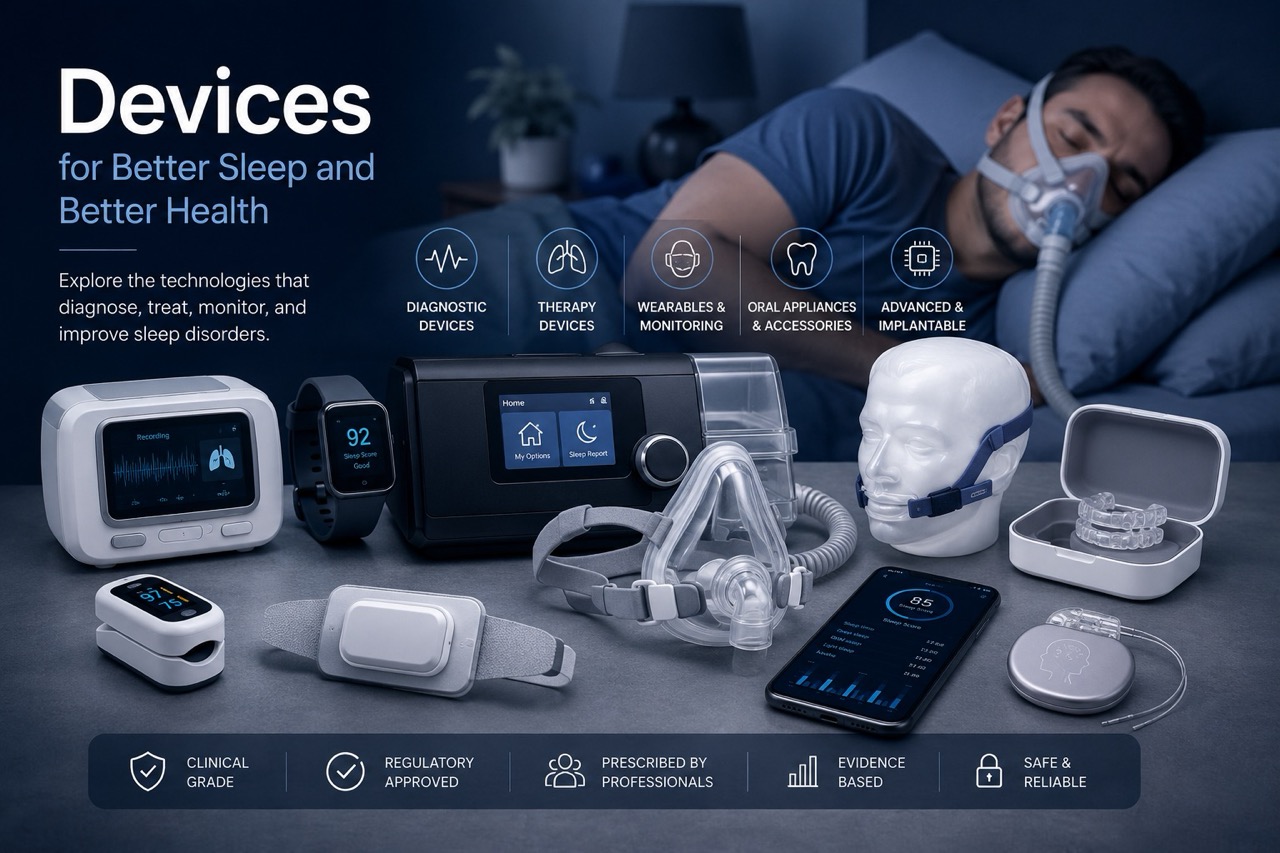
Sleep disorders affect millions of people worldwide and can significantly impact physical health, mental well-being, cognitive performance, and overall quality of life. Fortunately, a wide range of devices and technologies are available to help diagnose, monitor, and treat sleep-related conditions. These solutions range from simple consumer products to highly specialized medical devices prescribed and supervised by healthcare professionals.
Why devices are used in sleep medicine
Sleep disorders often involve complex physiological processes that occur while a person is asleep. Because symptoms may not be obvious during waking hours, devices play a critical role in measuring breathing, oxygen levels, heart rate, sleep stages, body position, movement, and other important parameters.
Depending on the condition, devices may be used for:
- Diagnosis and screening
- Ongoing monitoring
- Treatment and therapy
- Compliance tracking
- Symptom management
- Lifestyle improvement and prevention
Diagnostic devices
Before treatment can begin, many sleep disorders require proper evaluation and diagnosis.
Common diagnostic devices include:
- Home Sleep Test (HST) systems
- Polysomnography (PSG) equipment used in sleep laboratories
- Pulse oximeters
- Actigraphy monitors
- Respiratory monitoring devices
- Wearable sleep trackers
Clinical diagnostic systems generally provide the most accurate and comprehensive data, while consumer devices may offer useful insights but should not be considered a replacement for professional medical evaluation.
Non-invasive treatment devices
Non-invasive therapies are often the first line of treatment for many sleep disorders, particularly obstructive sleep apnea.
Examples include:
Positive Airway Pressure (PAP) Therapy
PAP therapy remains the most widely prescribed treatment for obstructive sleep apnea.
Device types include:
- CPAP (Continuous Positive Airway Pressure)
- APAP (Automatic Positive Airway Pressure)
- BiPAP/BPAP (Bilevel Positive Airway Pressure)
- ASV (Adaptive Servo-Ventilation)
These devices work by delivering pressurized air through a mask to help keep the airway open during sleep.
Oral Appliance Therapy
Custom dental devices can help reposition the jaw or tongue to reduce airway obstruction.
Examples include:
- Mandibular Advancement Devices (MAD)
- Tongue Retaining Devices (TRD)
These solutions are often used for mild to moderate sleep apnea or for patients who cannot tolerate PAP therapy.
Positional Therapy Devices
Some individuals experience breathing disturbances primarily when sleeping on their back.
Positional therapy devices may include:
- Specialized belts
- Vibrating position trainers
- Smart wearable posture monitors
These devices encourage side sleeping and may reduce apnea events in selected patients.
Invasive and implantable therapies
For some patients, non-invasive treatments may not provide adequate results or may not be tolerated.
In these cases, more advanced therapies may be considered.
Implantable Neurostimulation Devices
These systems stimulate specific nerves involved in maintaining airway muscle tone during sleep.
The most well-known examples target the hypoglossal nerve, which controls tongue movement and helps prevent airway collapse.
Implantable therapies require surgical placement and ongoing medical follow-up but may offer significant benefits for carefully selected patients.
Surgical Interventions
Although not devices themselves, surgical procedures may be used alongside medical technologies for evaluation and follow-up.
Examples include:
- Airway reconstruction procedures
- Soft tissue reduction
- Maxillomandibular advancement surgery
- Nasal corrective procedures
Oxygen therapy and supportive devices
Certain patients with complex respiratory disorders may require supplemental oxygen or specialized respiratory support.
Examples include:
- Oxygen concentrators
- Portable oxygen systems
- Respiratory support devices
- Monitoring equipment
These therapies are typically prescribed and managed by healthcare professionals.
Consumer and wellness technologies
The market for sleep-related consumer technology has expanded rapidly in recent years.
Examples include:
- Smart watches
- Smart rings
- Bed sensors
- Sleep tracking mats
- Mobile applications
- Smart alarms
These products can help users understand sleep habits and identify potential concerns. However, they generally do not provide medical diagnoses and should not replace professional evaluation when symptoms are present.
Approved vs. non-approved devices
One of the most important distinctions when evaluating sleep-related devices is whether the product has been reviewed and authorized by a recognized regulatory authority.
Examples of regulatory bodies include:
- United States Food and Drug Administration (FDA)
- European CE Medical Device Regulations
- Health Canada
- Medicines and Healthcare products Regulatory Agency (MHRA)
Approved medical devices are typically supported by clinical evidence, safety testing, manufacturing controls, and ongoing quality oversight.
By contrast, some products marketed online may claim to improve sleep quality, reduce snoring, or treat sleep apnea without sufficient scientific evidence. Consumers should approach such claims with caution and seek guidance from qualified healthcare professionals.
Third-party and complementary solutions
In addition to regulated medical devices, various complementary products may be marketed to improve sleep.
Examples include:
- Anti-snoring aids
- Specialized pillows
- Nasal dilators
- White-noise generators
- Light therapy devices
- Relaxation and biofeedback tools
While some individuals report benefits, effectiveness can vary considerably and scientific support may be limited.
Choosing the right device
The most appropriate device depends on the specific sleep disorder, symptom severity, underlying health conditions, and individual patient preferences.
Factors to consider include:
- Clinical evidence
- Regulatory approval status
- Comfort and usability
- Cost and insurance coverage
- Long-term adherence
- Healthcare provider recommendations
A device that works well for one person may not be suitable for another. Proper diagnosis and professional guidance remain essential for achieving the best outcomes.
Modern sleep medicine offers an increasingly diverse range of technologies to diagnose, monitor, and treat sleep disorders. From wearable trackers and oral appliances to advanced PAP systems and implantable neurostimulation devices, patients today have more options than ever before. Understanding the differences between consumer products, medical devices, approved therapies, and experimental solutions can help individuals make informed decisions and work effectively with healthcare professionals to improve sleep health and overall well-being.