Category: Treatment Options

A sleep apnea diagnosis is not the end of the story — it’s the beginning of improvement.

Many people assume treatment only means wearing a CPAP machine for life. In reality, there are multiple options depending on the severity, cause, and individual anatomy involved.

In this category, we explore the full spectrum of treatment approaches — from CPAP therapy and oral appliances to weight management, positional therapy, surgical options, and emerging technologies. We explain how each works, who it’s best suited for, and what realistic results look like.

Because treating sleep apnea isn’t just about reducing snoring — it’s about restoring deep sleep, protecting your heart and brain, and getting your energy back.

BiPAP machines: when CPAP and APAP are not enough


For many people with obstructive sleep apnea, CPAP and APAP therapy provide excellent results. However, some patients require higher pressures, have difficulty exhaling against continuous pressure, or suffer from more complex breathing disorders. In these situations, a BiPAP machine may offer a more comfortable and effective solution.

BiPAP, also known as BPAP (Bilevel Positive Airway Pressure), delivers two different pressure levels: a higher pressure when inhaling and a lower pressure when exhaling. This distinction can significantly improve comfort and breathing support for certain patients.

(more…)

APAP machines: intelligent sleep apnea therapy that adjusts to your breathing


Positive Airway Pressure therapy has evolved significantly over the past few decades. While traditional CPAP machines remain highly effective, many modern sleep apnea patients are now prescribed APAP devices that automatically adjust therapy pressure throughout the night.

APAP, or Automatic Positive Airway Pressure, uses advanced algorithms and sensors to continuously monitor breathing patterns and respond to changing airway conditions. Instead of delivering a single fixed pressure, an APAP machine automatically increases or decreases pressure when needed.

(more…)

CPAP machines: the most effective treatment for obstructive sleep apnea


For millions of people living with obstructive sleep apnea (OSA), Continuous Positive Airway Pressure (CPAP) therapy remains the gold standard treatment. Decades of clinical research have demonstrated that CPAP therapy can dramatically improve sleep quality, reduce daytime fatigue, lower cardiovascular risk, and improve overall quality of life when used consistently.

Although the idea of sleeping with a mask and airflow device may seem intimidating at first, modern CPAP machines are quieter, smaller, and more comfortable than ever before. For many patients, CPAP therapy can be life-changing.

(more…)

Cardiorespiratory monitoring systems: understanding breathing and heart activity during sleep


Breathing and heart function are closely connected during sleep. When breathing becomes disrupted, oxygen levels can fall, heart rate may fluctuate, and the body can experience significant physiological stress. For this reason, many sleep disorders are evaluated using cardiorespiratory monitoring systems that simultaneously track respiratory and cardiovascular activity throughout the night.

These devices play an important role in diagnosing sleep apnea, monitoring treatment effectiveness, assessing oxygenation, and identifying sleep-related breathing disorders that may affect overall health and quality of life.

(more…)

Actigraphy: measuring sleep patterns over days and weeks


Most sleep studies focus on what happens during a single night. Actigraphy takes a different approach. Instead of examining sleep in a laboratory for a few hours, actigraphy monitors sleep and activity patterns continuously over days, weeks, or even months.

By tracking movement throughout daily life, actigraphy helps sleep specialists understand how a person sleeps in their natural environment. It is particularly useful for evaluating insomnia, circadian rhythm disorders, irregular sleep schedules, and long-term sleep behavior.

(more…)

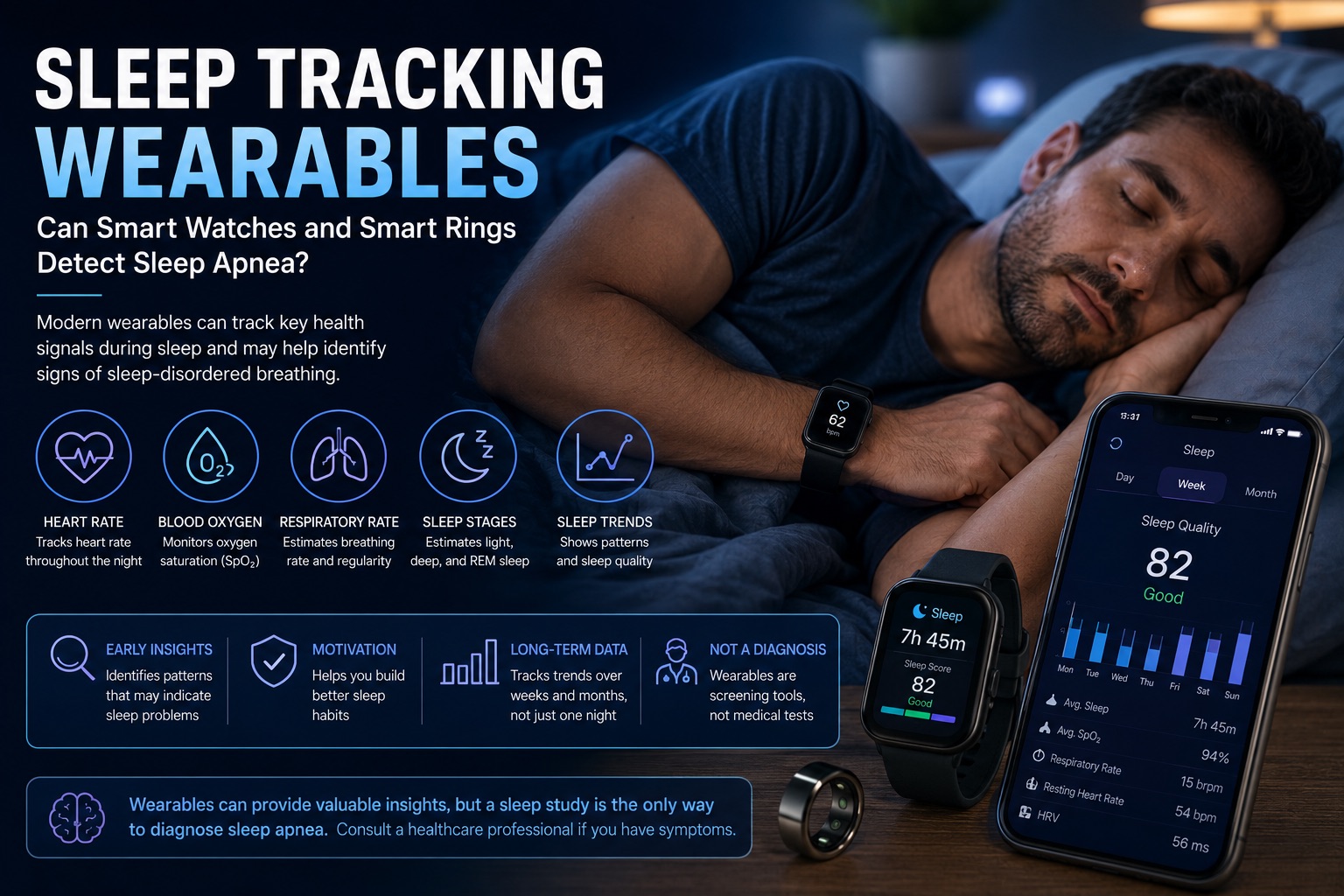
Sleep tracking wearables: can smart watches and smart rings detect sleep apnea?


Wearable technology has transformed the way people monitor their health. What began as simple step counters has evolved into sophisticated devices capable of tracking heart rate, blood oxygen levels, temperature changes, movement patterns, and even estimated sleep stages.

Today, millions of people use smart watches, smart rings, fitness bands, and other wearable devices to better understand their sleep. Many users discover unusual nighttime patterns through these devices and begin to wonder whether they might have sleep apnea or another sleep disorder.

(more…)

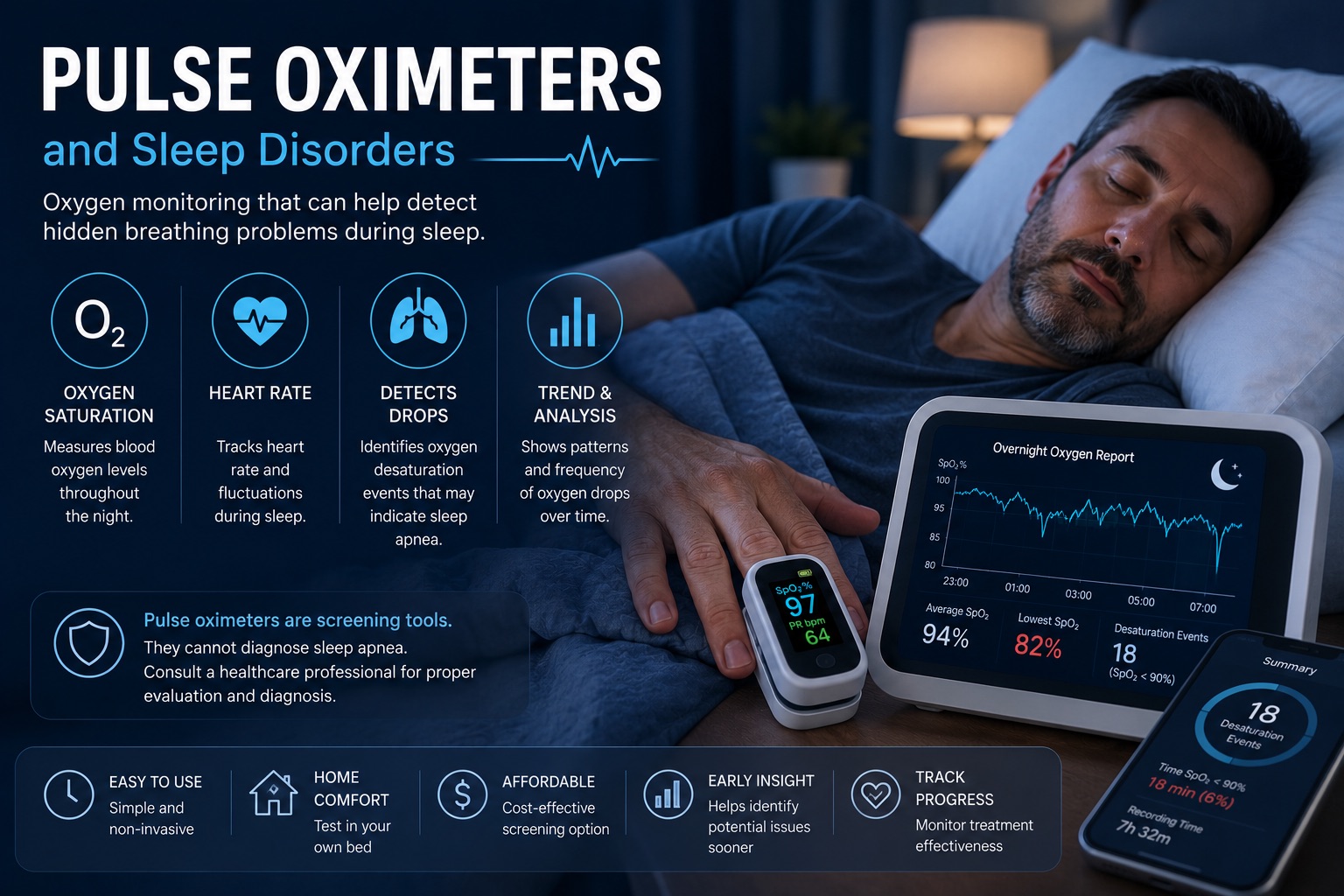
Pulse oximeters and sleep disorders: can oxygen monitoring detect sleep apnea?


Pulse oximeters are among the most widely used medical monitoring devices in the world. Small, affordable, and easy to use, they provide real-time measurements of blood oxygen saturation and heart rate. During the COVID-19 pandemic, these devices became common household tools, but their role in sleep medicine extends far beyond respiratory infections.

For individuals concerned about snoring, sleep apnea, or unexplained fatigue, pulse oximeters can provide valuable information about how oxygen levels behave during sleep. While they cannot diagnose sleep apnea on their own, they often play an important role in screening, monitoring, and treatment evaluation.

(more…)

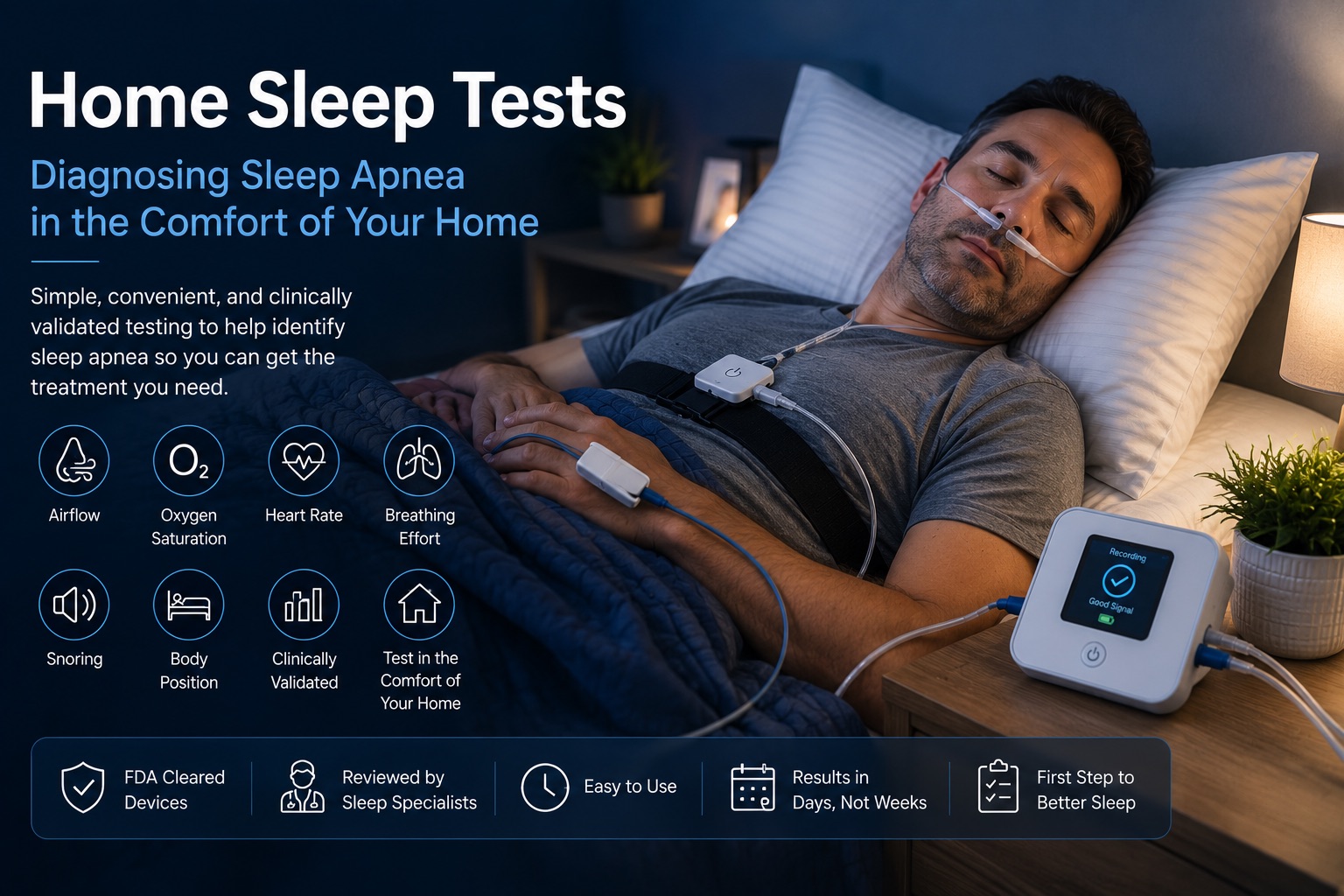
Home Sleep Tests (HST): diagnosing sleep apnea from the comfort of your home


For many people experiencing symptoms such as loud snoring, excessive daytime sleepiness, morning headaches, or witnessed breathing pauses during sleep, the first step toward diagnosis is often a Home Sleep Test (HST).

Home Sleep Tests have transformed sleep medicine by making sleep apnea screening more accessible, convenient, and affordable. Instead of spending a night in a sleep laboratory, patients can undergo testing in their own homes using portable monitoring equipment prescribed by a healthcare provider.

(more…)

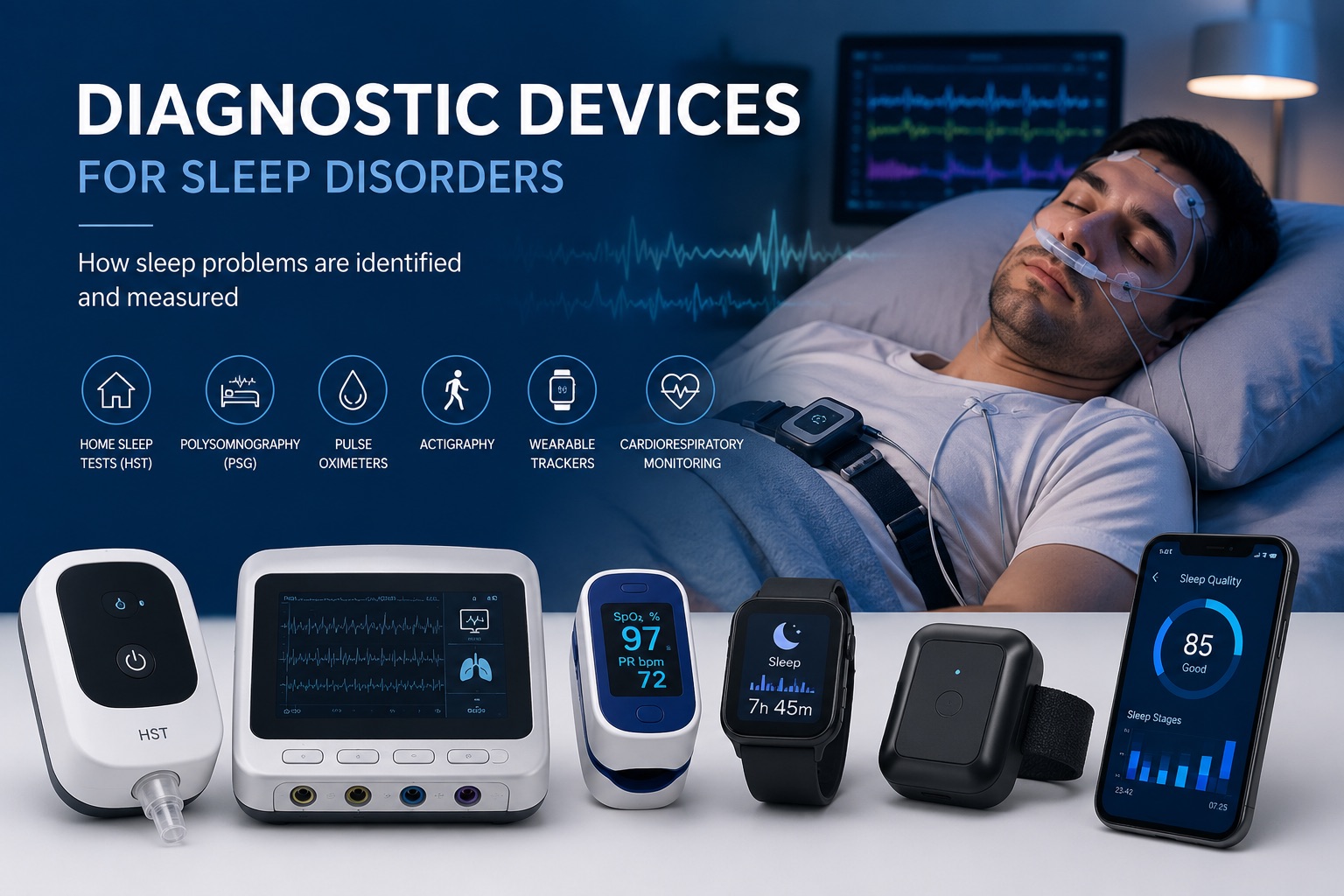
Diagnostic devices for sleep disorders: how sleep problems are identified and measured


Sleep disorders cannot usually be diagnosed based solely on symptoms. While snoring, daytime fatigue, morning headaches, poor concentration, and restless sleep may indicate an underlying condition, healthcare professionals often rely on specialized diagnostic devices to understand what happens while a person is asleep.

(more…)

Lifestyle changes that actually help — what makes a measurable difference in sleep apnea


When people are diagnosed with sleep apnea, they often ask:

“What can I do myself?”

Lifestyle changes alone do not cure most cases of moderate to severe obstructive sleep apnea. However, they can significantly reduce severity, improve symptoms, and enhance the effectiveness of medical treatment.

The key is knowing what actually helps — and what does not.

(more…)